
Spending Audit: A Month-End Checklist for Understanding Where Your Money Actually Went
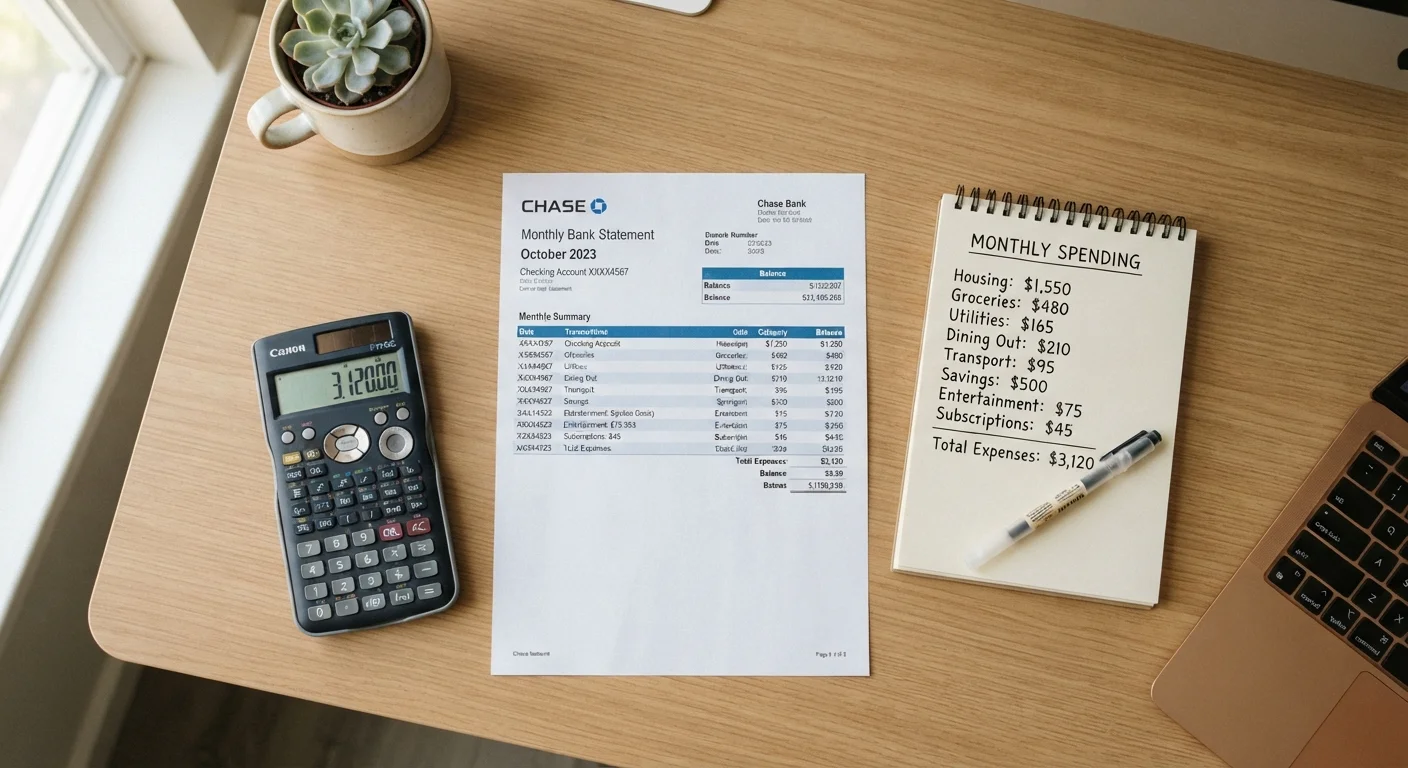
Photo credit: PrimeFaqs.com | Trending And Accurate Content
In this article
Use this month-end review checklist to categorize transactions, spot overspending patterns, and adjust next month's budget with real data instead of guesses.
Key Takeaways
- A spending audit replaces guesswork with real transaction data from the past month.
- Categorizing every purchase reveals patterns that a rough mental tally will miss.
- Comparing actual spending to your plan exposes specific categories to adjust - not just a vague feeling of overspending.
- One honest monthly review compounds over time into better financial decision-making.
- You don't need special software - a bank statement and a simple category list are enough to start.
Why a Month-End Audit Is Worth 45 Minutes of Your Time
Most people sense when a month felt expensive but rarely know where the money actually went. A spending audit closes that gap. Instead of adjusting next month's budget based on a feeling, you adjust it based on facts - the transactions your bank recorded, sorted into categories you can act on.
This checklist walks you through the full process: gathering your records, categorizing every dollar, comparing what you planned to what actually happened, and identifying one or two concrete changes to make going forward. If you haven't built a formal budget yet, this audit doubles as the raw data you'll need - see our step-by-step guide to building a budget from scratch before or after you complete this review.
For a full reference of spending categories you should be accounting for - including irregular expenses many people forget - consult this household budget category guide as you sort your transactions.
Don't Rely on Memory Alone
It's tempting to estimate spending from memory rather than pulling actual statements - but research consistently shows people underestimate their discretionary spending by a significant margin. The value of a spending audit comes entirely from using real transaction records. Take the extra few minutes to retrieve the actual statements.
What You'll Need Before You Start
Gather these resources before sitting down so the audit flows without interruption.
Bank and credit card statements
Primary source of every transaction from the month being reviewed.
Spreadsheet (or lined paper)
Used to list transactions, assign categories, and calculate totals for each group.
Previous month's budget or spending plan
Provides the planned targets you'll compare your actual spending against.
Calculator
Speeds up tallying category totals and computing over/under amounts.
Budgeting app (optional)
Can auto-import and pre-categorize transactions to save manual entry time.
The Month-End Spending Audit Checklist
Work through each group in order. Resist the urge to skip the categorization step - that's where the real insight lives. Once you've sorted and tallied everything, the comparison and adjustment steps become straightforward.
Gather Your Records
Categorize Every Transaction
Compare Actual to Planned
Identify Patterns and Root Causes
Set Adjustments for Next Month
One Month of Data Has Limits
A single month's audit gives you a useful snapshot, but it may not reflect your true average. Irregular expenses - annual insurance premiums, car maintenance, holiday gifts - can make any single month look unusual. After completing two or three monthly audits, you'll have a much more reliable baseline for adjusting your budget with confidence.
After completing your audit, you may find it useful to decide how strictly you want to cap individual categories next month. Our balanced look at strict category limits can help you weigh that tradeoff.
This checklist is general financial information and is not personalized financial advice. For guidance specific to your situation, consider speaking with a licensed financial counselor or advisor.
Turning Your Audit Into Next Month's Plan
An audit is only useful if it drives a change. Once you've identified which categories ran over, pick no more than two to focus on adjusting. Trying to tighten every category at once tends to backfire - small, deliberate shifts are more sustainable.
If you're weighing how to track spending day-to-day so next month's audit is easier, our comparison of pen-and-paper ledgers, spreadsheets, and budgeting apps can help you find a method that actually sticks. And if your audit reveals that debt payments are consuming a larger share of income than you'd like, our saving and debt guidance offers approachable starting points.
Repeat this checklist at the end of every month. The first audit will feel slow; by the third or fourth, you'll have a clear picture of your personal spending patterns - and that clarity is the foundation of every sound financial decision you'll make from here.
This article is for general informational and educational purposes only and does not constitute personalized financial, tax, or legal advice. Consult a qualified financial professional for guidance tailored to your individual circumstances.

Author
Personal Finance Editorial Team
Personal Finance Editorial Team is the collective byline for our editorial team and contributor network. Articles published under this byline or an editorial pen name are researched, written, and reviewed according to our editorial standards for clarity, consistency, and independence before publication.
View all articles →