
Why Your Car Insurance Premium Changes-Even When You Haven't Filed a Claim
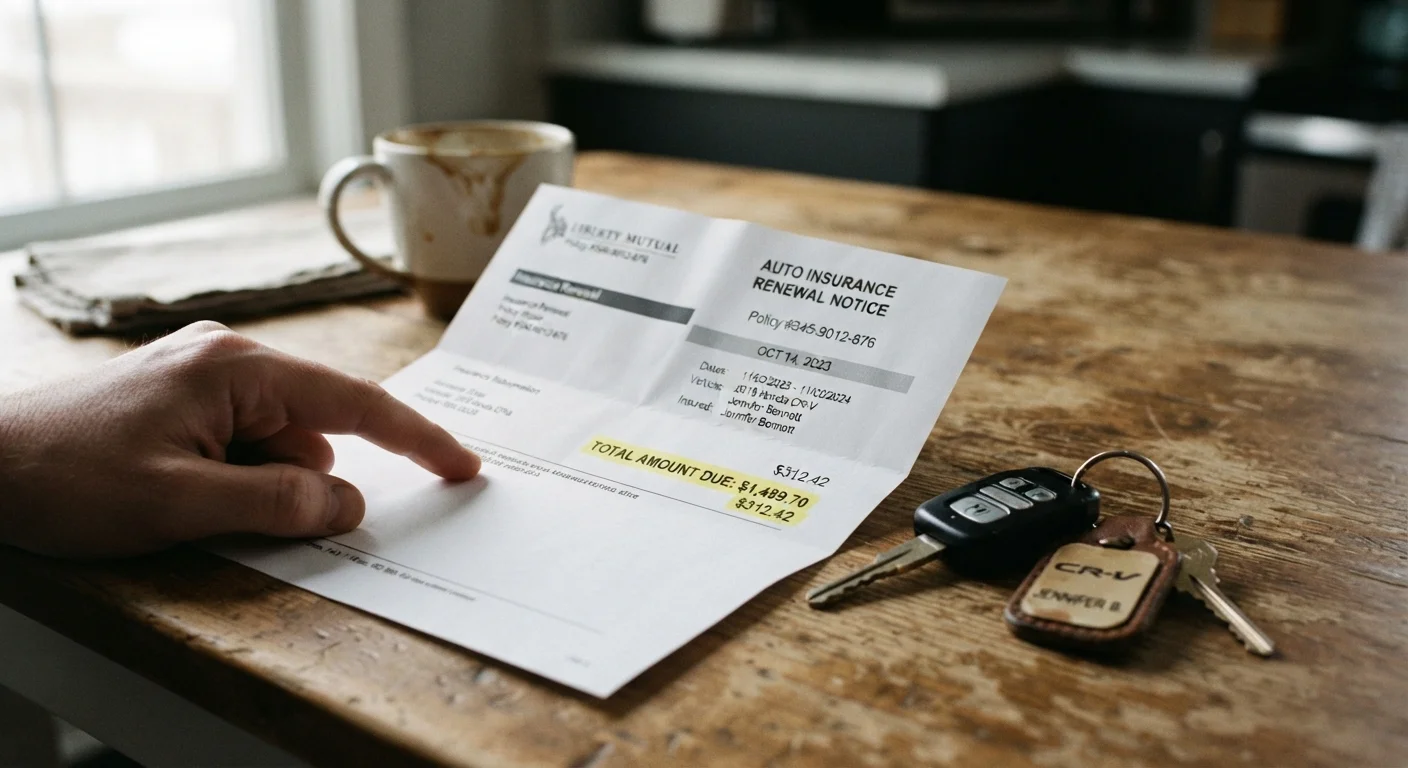
Photo credit: PrimeFaqs.com | Trending And Accurate Content
In this article
Rate increases can surprise even careful drivers. Understand the factors insurers use to adjust premiums that have nothing to do with your driving record.
Key Takeaways
- Your premium can rise even if you've never filed a claim and have a clean driving record.
- Insurers factor in community-wide trends like local accident rates and weather events.
- Your credit-based insurance score is a legal rating factor in most U.S. states.
- Your vehicle's age and local repair cost trends directly influence collision and comprehensive rates.
- Shopping your coverage at renewal is a practical way to respond to unexplained rate increases.
The Myth of the "Safe Driver" Rate Lock
Many drivers assume that a spotless record is all it takes to keep premiums stable. In reality, car insurance rates are set by actuarial pricing models that weigh dozens of variables simultaneously. Your driving behavior is only one input among many. Understanding this helps explain why an envelope from your insurer can still bring bad news - even after years without a single claim.
If you've recently been surprised by a renewal notice, you're far from alone. This is one of the recurring expenses that catches car owners off guard, as outlined in our look at costs new car owners often don't anticipate.
~72%
States allowing credit-based insurance scoring
According to the National Conference of State Legislatures, the majority of U.S. states permit insurers to use credit-based insurance scores as a rating factor for auto policies.
Top 3
Factors in regional premium variation
Industry research consistently identifies local claim frequency, uninsured driver rates, and weather-related losses as the primary drivers of geographic premium differences.
Community Risk: What Happens in Your ZIP Code Matters
Insurance is fundamentally a pooled-risk product. When claims rise across your region - due to an uptick in auto theft, a series of severe hailstorms, or a higher concentration of uninsured drivers - the cost is spread across all policyholders in that pool, not just those who filed claims.
This means a spike in catalytic converter thefts on the other side of your city, or a single destructive hurricane season, can translate directly into a higher renewal premium for you. Insurers file rate changes with each state's Department of Insurance and must receive approval before applying them, but those changes can still affect a large swath of policyholders at once.
Credit-Based Insurance Scores, Vehicle Age, and Other Overlooked Factors
Beyond local trends, several individual factors can shift your premium without involving a claim:
- Credit-based insurance score: Most states allow insurers to use a version of your credit profile - distinct from your lending credit score - as a rating factor. A drop in your score, even due to a temporary financial hardship, can raise your premium.
- Vehicle repair costs: As labor rates and parts prices increase across the auto industry, the expected cost of a claim on your specific make and model rises too. This affects your collision and comprehensive rates even if your car hasn't been in a shop.
- Vehicle age and value: As your car depreciates, your insurer's maximum payout on a total-loss claim decreases - which is one reason some drivers adjust coverage over time. Our explanation of how vehicle depreciation works covers this relationship in detail.
- Household changes: Adding a teenage driver, a new household member, or a second vehicle can all affect your premium, even if your own record is unchanged.
- Lapse or gap in coverage: If your coverage lapsed - even briefly - you may be reclassified as a higher risk at your next policy.
New and first-time policyholders are especially likely to be caught off guard by these dynamics. Our guide on what new drivers often get wrong about car insurance addresses several related misunderstandings in more depth.
Review Your Declaration Page Every Renewal
Your declarations page lists every coverage type, limit, and rating factor applied to your policy. Reviewing it side-by-side with the prior term's page makes it easier to spot exactly what changed and ask your insurer a specific question - rather than a general complaint about the total.
What You Can Actually Do About It
Rate changes driven by macro factors aren't entirely within your control, but your response to them is. At each renewal, it's worth reviewing your coverage and comparing quotes from other licensed carriers in your state - rates for the same coverage can differ significantly. Ask your current insurer for a written explanation of the rate change; in most states, they are required to provide one.
Improving your credit health over time may benefit your credit-based insurance score in states that permit its use. Maintaining continuous coverage - even when switching insurers - helps avoid the gap that can trigger a higher-risk classification. And reviewing your coverage limits and deductibles with a licensed insurance professional ensures you're not paying for more than your vehicle's current value warrants.
Rate transparency varies by state. Your state's Department of Insurance maintains a public record of rate filings and can tell you whether an increase was properly approved - a useful resource if a jump feels unexplained.
This article is for general informational purposes only and does not constitute financial, insurance, or legal advice. For guidance specific to your policy or coverage needs, consult a licensed insurance professional or your state's Department of Insurance.
Frequently Asked Questions

Author
Automotive Basics Editorial Team
Automotive Basics Editorial Team is the collective byline for our editorial team and contributor network. Articles published under this byline or an editorial pen name are researched, written, and reviewed according to our editorial standards for clarity, consistency, and independence before publication.
View all articles →