
Depreciation Explained: Why Your Car Loses Value the Moment You Drive It
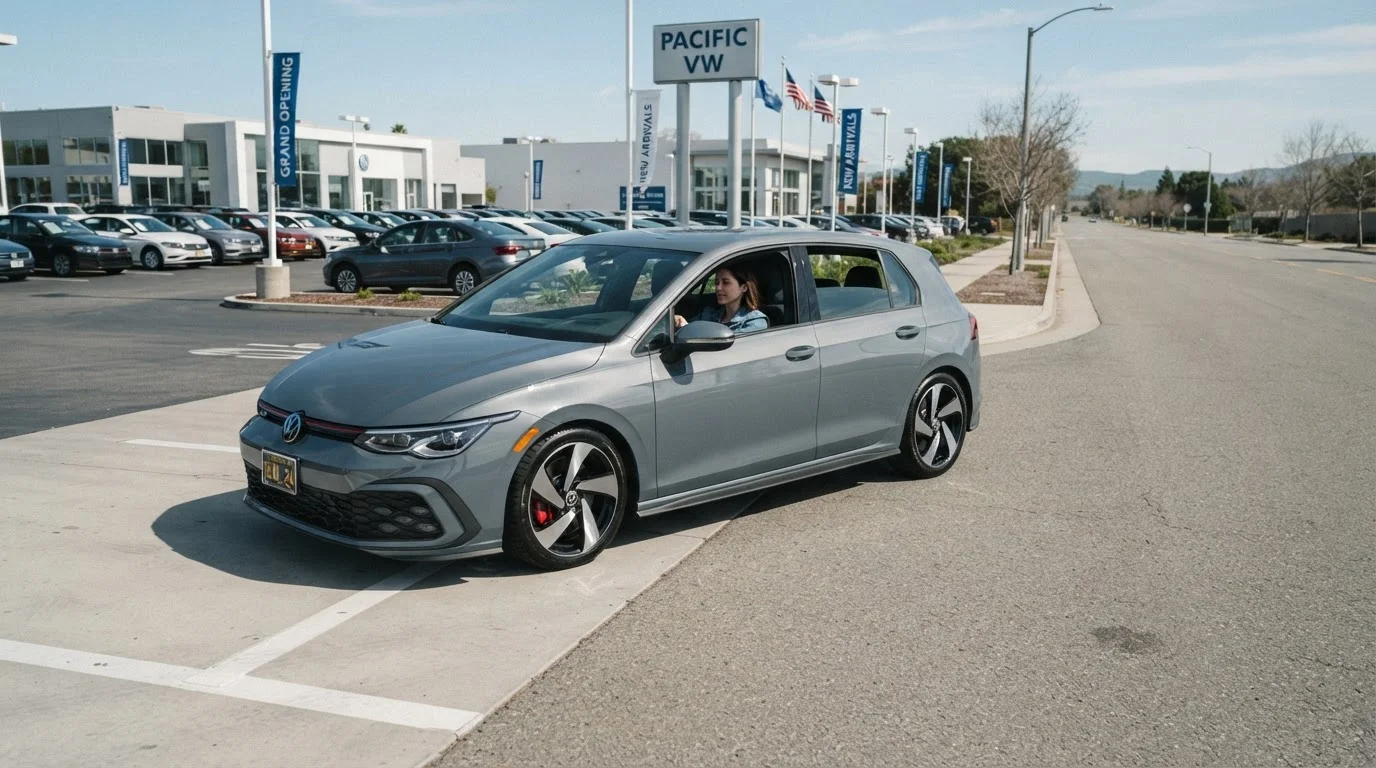
Photo credit: PrimeFaqs.com | Trending And Accurate Content
In this article
Learn how vehicle depreciation works, which factors speed it up, and why understanding it matters for every ownership decision you make.
Key Takeaways
- A new car can lose 15-25% of its value in the first year of ownership.
- Depreciation is typically the single largest cost of owning a new vehicle.
- Mileage, condition, brand perception, and market demand all influence how fast a car depreciates.
- Understanding depreciation helps you make smarter decisions about buying, selling, or keeping a vehicle.
- Used cars depreciate more slowly because they've already absorbed the steepest initial drop.
Why Depreciation Hits Hardest at the Beginning
Most car owners understand that vehicles lose value over time, but fewer realize just how front-loaded that loss is. The sharpest depreciation drop happens in the first year - often 15-25% of the original purchase price - and continues at a steep rate through years two and three. By the time a car is five years old, it may be worth only 40-60% of what it sold for new.
This happens because the car market places an enormous premium on the word new. Once a vehicle is titled and driven, it enters the used-car category, where buyers expect a discount. That expectation is baked into every private sale and trade-in offer you'll ever receive.
For owners financing a new purchase, this creates a specific risk: early in the loan term, you may owe more than the car is worth - a situation commonly called being underwater or having negative equity. This matters most if the car is totaled or you need to sell before the loan is paid off. See how depreciation fits into total ownership costs for a broader picture of where your money actually goes.
~20%
Typical first-year depreciation for a new vehicle
Industry estimates from automotive valuation sources consistently place average new-car depreciation in the 15-25% range within the first 12 months.
~50%
Value remaining after five years of ownership
Many new vehicles retain roughly 40-60% of their original value at the five-year mark, depending on brand, model, and market conditions.
#1
Largest single cost of owning a new car
Depreciation consistently ranks as the top ownership expense in cost-of-ownership analyses, outpacing fuel, insurance, and maintenance for most new vehicles.
The Factors That Accelerate or Slow Depreciation
Depreciation isn't uniform across all vehicles. Several specific factors push it faster or slower:
- Mileage: High annual mileage directly reduces resale value. Most depreciation estimates are based on around 12,000-15,000 miles per year. Driving significantly more speeds up value loss.
- Condition: Dents, worn interiors, and deferred maintenance all signal higher risk to potential buyers, driving down what they'll pay.
- Brand and model reputation: Vehicles associated with reliability and low ownership costs tend to hold value better. Market perception - not just objective quality - plays a role.
- Fuel type and efficiency: Consumer demand for fuel-efficient or electric vehicles can shift quickly with fuel prices and government incentives, affecting resale values across categories.
- Color and trim: Mainstream colors and popular trims depreciate more slowly because they appeal to a wider pool of buyers.
- Market saturation: When a lot of identical vehicles are available used - fleet returns, lease turn-ins - prices soften for all of them.
Good maintenance habits can meaningfully protect resale value. Keeping service records, addressing small issues promptly, and maintaining the vehicle's appearance all send positive signals to future buyers. Our car maintenance guidance covers the habits that pay off long-term.
Protect Resale Value From Day One
Keep a folder - physical or digital - of every service record, oil change receipt, and repair invoice. A documented maintenance history is one of the most concrete ways to justify a higher asking price when you sell or trade in. Buyers pay more when they can verify how a vehicle was cared for.
What Depreciation Means for Ownership Decisions
Once you understand how depreciation works, it reshapes several common ownership decisions:
Buying New vs. Used
A used vehicle that's two or three years old has already absorbed the steepest part of the depreciation curve. For buyers focused on value, this can mean substantially more car per dollar - though it's worth factoring in potential maintenance differences and remaining warranty coverage.
How Long to Keep a Vehicle
The longer you keep a car past its steepest depreciation years, the more you spread out that initial cost over time. High-mileage ownership can make strong financial sense when the vehicle is mechanically sound. Keeping a car past 100,000 miles is often more viable than many drivers assume.
When a Repair Bill Arrives
A large repair on a depreciated vehicle can feel disproportionate, but the math isn't always obvious. If the car is worth $6,000 and needs a $2,500 repair, that may still cost less than the depreciation on a replacement vehicle in its first year. Thinking through repair vs. replace is a decision that deserves a structured approach rather than a gut reaction.
First-time owners who haven't thought through these dynamics may find depreciation an unwelcome surprise. Understanding what car ownership actually costs from the start prevents financial stress down the road.
Frequently Asked Questions

Author
Automotive Basics Editorial Team
Automotive Basics Editorial Team is the collective byline for our editorial team and contributor network. Articles published under this byline or an editorial pen name are researched, written, and reviewed according to our editorial standards for clarity, consistency, and independence before publication.
View all articles →