
The True Cost of Owning a Car in America
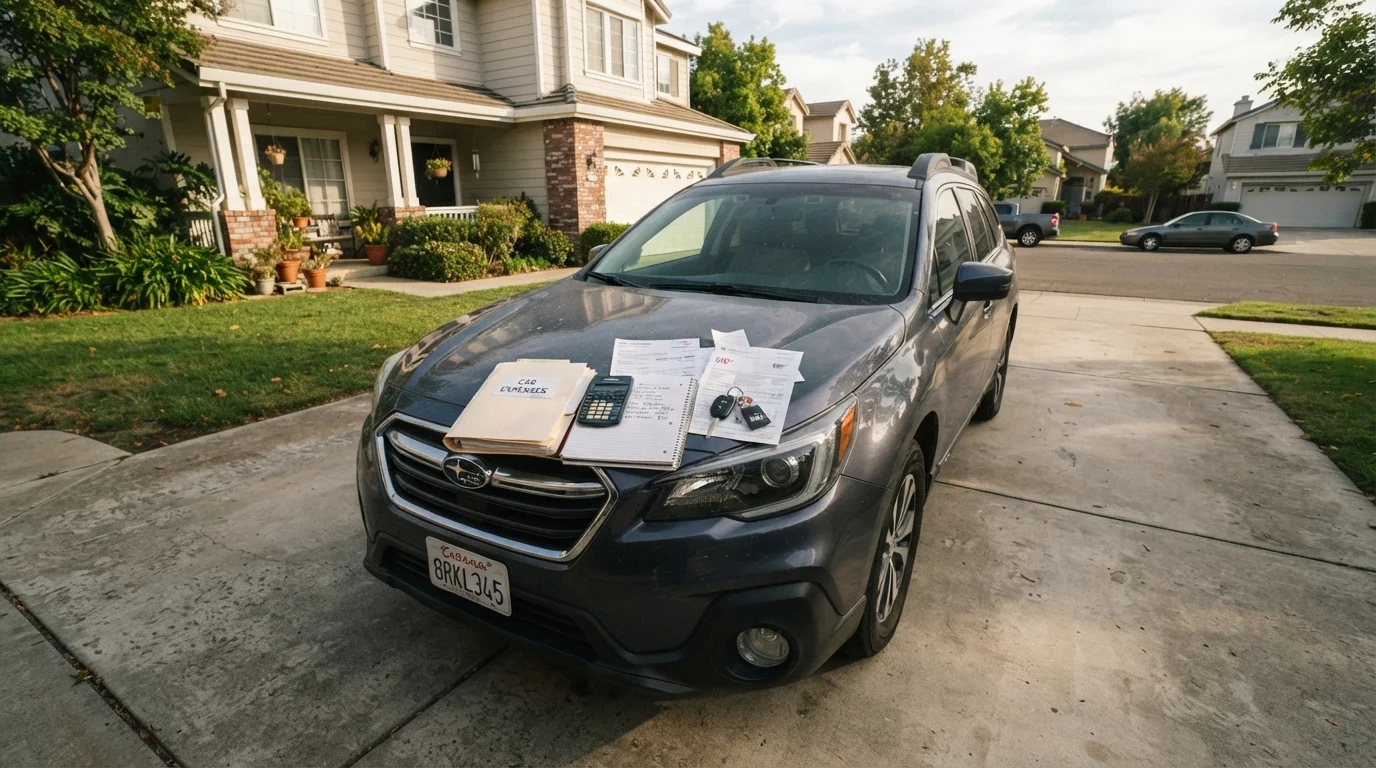
Photo credit: PrimeFaqs.com | Trending And Accurate Content
In this article
Beyond the sticker price: a clear breakdown of depreciation, insurance, fuel, maintenance, and fees that shape what a car really costs you.
Key Takeaways
- The true annual cost of car ownership in America often exceeds $10,000 when all expenses are counted.
- Depreciation is typically the single largest ownership cost, especially in the first five years.
- Fuel, insurance, maintenance, and fees together can rival or surpass a monthly loan payment.
- Budgeting only for a car payment leaves most owners financially unprepared for real ownership.
- Understanding each cost category helps you make smarter decisions at purchase and throughout ownership.
Why the Sticker Price Is Just the Starting Line
When most people shop for a vehicle, they focus on the monthly payment or the MSRP - the Manufacturer's Suggested Retail Price shown on the window sticker. That number is real, but it represents only a fraction of what you'll actually spend over the life of owning a car.
American Automobile Association (AAA) research has consistently found that the average cost of owning and operating a new vehicle in the United States runs well above $10,000 per year when all costs are tallied. For many households, that figure rivals or exceeds rent in some parts of the country.
Understanding every cost category - not just the loan - is what separates drivers who feel financially in control from those who are perpetually surprised by bills. For a concise breakdown of what these costs look like on an annual basis, the Annual Car Ownership Costs household budget reference is a useful companion to this guide.
$10,000+
Average annual new vehicle ownership cost
AAA's annual Your Driving Costs study consistently finds total ownership expenses exceed this threshold for the average new-car owner in the U.S.
~20%
Typical first-year depreciation
Most new vehicles lose between 15% and 25% of their purchase value within the first 12 months, according to widely cited automotive valuation data.
5-9%
State sales tax range on vehicle purchases
Sales tax on a vehicle purchase varies dramatically by state, representing a significant upfront cost that's separate from the vehicle price itself.
Depreciation: Your Largest Hidden Expense
Depreciation - the loss of a vehicle's market value over time - is the single biggest cost most owners never write a check for, which is exactly why it catches people off guard. A new car typically loses between 15% and 25% of its value in the first year alone, and roughly 50% within five years, depending on make, model, and market conditions.
That loss is real money. If you buy a $35,000 vehicle and sell it five years later for $17,500, you've absorbed $17,500 in depreciation - regardless of whether you financed it or paid cash.
Factors that accelerate depreciation include high mileage, color choices outside mainstream preferences, luxury trim levels in lower-demand segments, and brands with lower long-term reliability ratings. Our article Depreciation Explained: Why Your Car Loses Value the Moment You Drive It walks through exactly how this process works and which ownership decisions influence it.
Before buying, calculate the five-year depreciation estimate for any vehicle you're considering - not just the monthly payment. A lower-priced vehicle with slower depreciation can be considerably cheaper to own than a pricier one with rapid value loss.
Depreciation is typically the largest single cost of ownership, yet most buyers compare sticker prices rather than projected resale value, leading to significant unplanned financial loss.
When evaluating insurance quotes, ask specifically about the gap between your loan balance and your vehicle's current market value - especially in the first two years of ownership, when depreciation outpaces loan payoff.
If a vehicle is totaled early in a loan term, standard insurance may only cover market value, leaving the owner responsible for the remaining loan balance - a situation gap insurance is designed to address.
Financing, Insurance, and Registration Fees
Financing costs are straightforward on paper: the interest you pay on an auto loan over its term. On a $30,000 loan at a 7% interest rate over 60 months, you'll pay roughly $5,600 in interest alone - before touching principal. Longer loan terms reduce the monthly payment but increase total interest paid significantly.
Auto insurance is both legally required and highly variable. The national average for full-coverage auto insurance has climbed in recent years, with many drivers paying $1,500 to $2,500 or more annually depending on their state, driving record, age, vehicle type, and coverage limits. Liability-only coverage costs less but leaves you exposed to vehicle repair costs after an at-fault accident.
Registration and title fees vary widely by state - some states charge a flat fee of under $100 per year while others tie fees to vehicle value or weight, reaching several hundred dollars annually for newer or heavier vehicles. Sales tax at time of purchase is also a one-time but significant expense, typically ranging from 0% in states with no sales tax to over 9% in high-tax states.
Fuel and Maintenance: The Ongoing Drain
Fuel costs depend on how many miles you drive, your vehicle's fuel efficiency, and local gas prices - all of which shift over time. A driver covering 15,000 miles per year in a vehicle averaging 28 miles per gallon spends roughly $1,600-$2,200 annually on gasoline at common national price ranges. Less efficient trucks and SUVs can push that figure considerably higher.
Maintenance includes both scheduled services - oil changes, tire rotations, air filters, brake inspections - and unscheduled repairs. Manufacturers typically recommend oil changes every 5,000 to 7,500 miles for conventional oil or up to 10,000 miles for full synthetic, but skipping these intervals accelerates engine wear and creates larger repair bills later.
Tires represent a recurring cost many owners underestimate. A full set of replacement tires for an average passenger car can range from $400 to $900 or more, and most tires need replacement every 40,000 to 70,000 miles depending on type, driving habits, and road conditions. For a closer look at what ongoing costs often surprise drivers, see Recurring Expenses That Catch New Car Owners Off Guard.
Routine upkeep is also covered extensively in the Car Maintenance hub, which offers practical guidance on keeping your vehicle running safely and efficiently.
Skipping Maintenance Multiplies Future Costs
Delaying or skipping scheduled maintenance to save money in the short term is one of the most common ways car owners create far larger expenses down the road. An oil change that costs $50-$100 prevents engine wear that can lead to repairs costing thousands. Follow your vehicle's manufacturer-recommended service intervals, found in your owner's manual, rather than estimating based on habit or convenience.
Unexpected and Overlooked Costs
Even careful budgeters encounter costs they didn't fully anticipate. Common examples include:
- Parking and tolls: Urban drivers can spend $1,000-$3,000+ annually on parking fees, garage rentals, and toll roads.
- Car washes and detailing: Minor individually, but regular washing can add $200-$600 per year.
- Roadside assistance: Whether purchased as a standalone plan or bundled with insurance, this is a recurring cost many owners don't itemize.
- Out-of-warranty repairs: A single transmission or engine repair can cost $2,000-$5,000 or more. Older vehicles with no warranty coverage expose owners to these costs without warning.
- State-mandated inspections: Many states require annual safety or emissions inspections with associated fees and the potential for required repairs before passing.
If you're new to car ownership and want a comprehensive overview of these responsibilities, Car Ownership for First-Timers provides a structured introduction to the full scope of what owning a vehicle involves.
Building a Realistic Car Budget
A reliable car budget accounts for every cost category - not just the loan payment. A practical approach is to estimate costs in three tiers:
- Fixed monthly costs: Loan or lease payment, insurance premium, and any parking or storage fees you pay regardless of how much you drive.
- Variable monthly costs: Fuel (based on your actual average mileage), tolls, and parking.
- Annual and irregular costs: Registration renewal, inspections, scheduled maintenance, and a reserve fund for unplanned repairs.
Financial planners often suggest setting aside at least $100-$150 per month in a dedicated vehicle reserve - separate from your regular budget - to absorb maintenance and repair costs without disrupting household finances. That number should increase for older vehicles or those with higher mileage.
Owning a car is one of the largest ongoing financial commitments most American households carry. Approaching it with clear-eyed awareness of every cost category - from depreciation to tire replacements - is the foundation of staying in control of that commitment rather than being controlled by it.
This article provides general educational information about vehicle ownership costs and is not personalized financial advice. Actual costs vary by vehicle, location, usage, and individual circumstances. Consult a qualified financial professional for guidance specific to your situation.

Author
Automotive Basics Editorial Team
Automotive Basics Editorial Team is the collective byline for our editorial team and contributor network. Articles published under this byline or an editorial pen name are researched, written, and reviewed according to our editorial standards for clarity, consistency, and independence before publication.
View all articles →