
Liability, Collision, and Comprehensive: What Each Coverage Type Actually Does
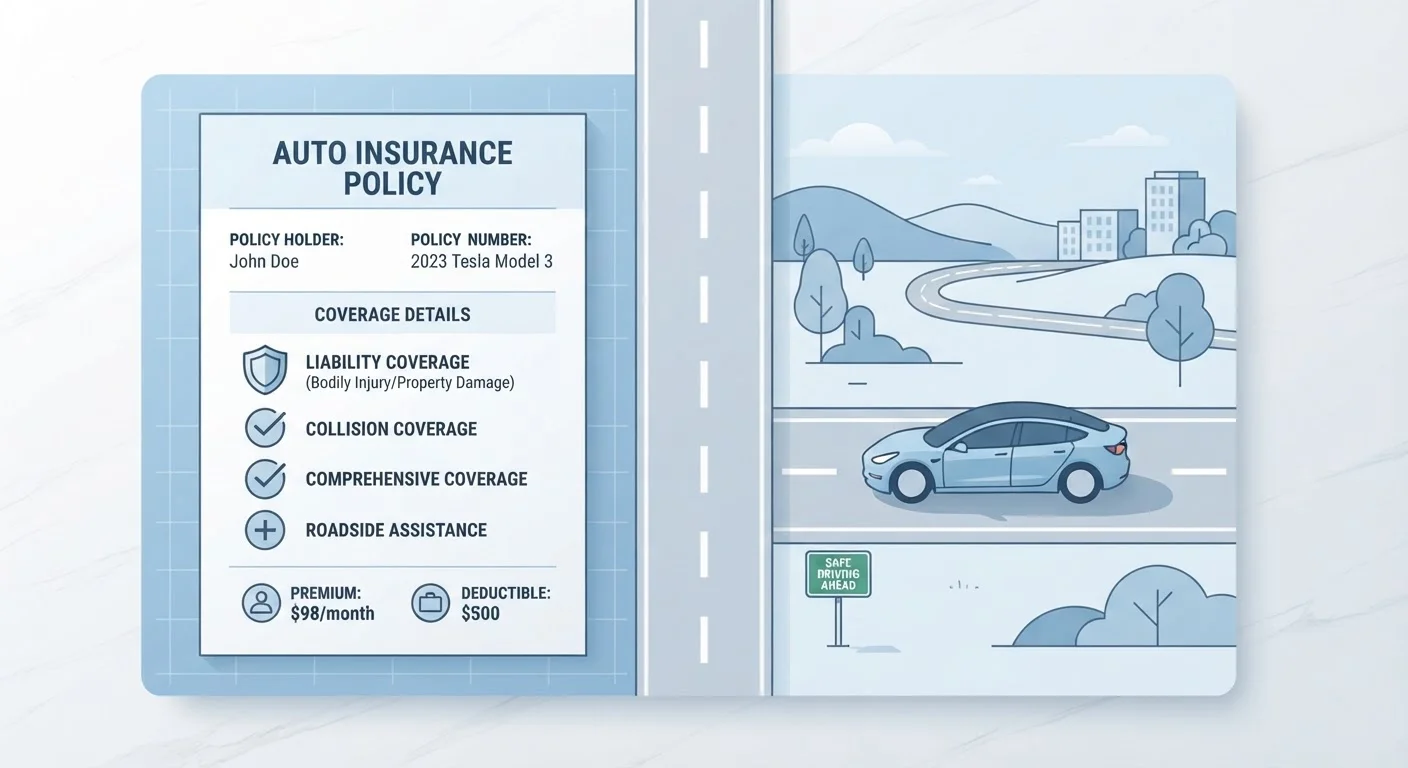
Photo credit: PrimeFaqs.com | Trending And Accurate Content
In this article
A plain-language breakdown of the main auto insurance coverage categories, what they protect, and the gaps each one leaves.
Why Coverage Type Matters
Auto insurance isn't a single protection - it's a bundle of distinct coverage types, each designed to pay for a different category of loss. Buying the wrong combination can leave you personally responsible for costs you assumed were covered. Understanding what each type actually does is one of the most practical steps a car owner can take.
Most states require drivers to carry at least some coverage, but the minimum is rarely enough to fully protect you financially. See the full picture of car ownership costs for context on how insurance fits into the broader expense of owning a vehicle.
| Liability: What it covers | Other people's injuries and property damage when you are at fault |
| Collision: What it covers | Your own vehicle after a crash, regardless of fault |
| Comprehensive: What it covers | Your vehicle from theft, weather, fire, animals, and other non-collision events |
| Who typically requires all three | Lenders and leasing companies while a loan or lease is active |
| Payout basis for collision & comprehensive | Actual cash value - depreciation is factored in |
| Key gap not covered by any of the three | Your own medical bills (requires PIP or MedPay) and loan shortfalls (requires gap insurance) |
Liability Coverage: When You Cause the Accident
Liability coverage pays for damage and injuries you cause to other people when you are at fault in an accident. It does not pay for your own vehicle or your own medical bills - only for the harm done to others.
Liability is split into two parts:
- Bodily injury liability - covers medical expenses, lost wages, and legal costs for people injured in an accident you caused.
- Property damage liability - covers repair or replacement costs for vehicles, structures, or other property you damage.
Policies express these limits as three numbers, such as 25/50/25. These represent the maximum payout per person injured, per accident total for injuries, and per accident for property damage - all in thousands of dollars. If costs exceed your limits, you are personally responsible for the remainder.
Minimum Limits Often Fall Short
Every state that requires liability insurance sets its own minimum coverage limits, but these minimums are frequently insufficient to cover costs from a serious accident. Medical expenses and vehicle repairs from a multi-car collision can easily exceed basic state minimums. Review your limits carefully and consider whether higher coverage makes sense given your financial situation - a licensed insurance agent can walk you through the trade-offs.
State-required minimums are often too low to cover a serious accident. Many financial professionals suggest carrying higher limits to reduce personal exposure, though the right level depends on your individual situation.
Collision Coverage: Your Vehicle in an Impact
Collision coverage pays to repair or replace your own vehicle after it is damaged in a crash - whether you hit another car, a guardrail, or a stationary object. It applies regardless of fault, which matters in single-car accidents where no other driver is liable.
Key things to know about collision:
- You pay a deductible - a fixed amount you cover out of pocket before insurance pays the rest.
- Payouts are capped at your vehicle's actual cash value (ACV), meaning depreciation is factored in. An older car may receive significantly less than its replacement cost.
- Collision is typically optional unless your lender or leasing company requires it.
For newer or financed vehicles, collision coverage is usually worth carrying. For older vehicles with low market value, weigh the annual premium against what you would actually receive in a claim. New to these trade-offs? common mistakes new policyholders make covers this and other frequent missteps.
Comprehensive Coverage: Damage Beyond Collisions
Comprehensive coverage pays for damage to your vehicle from causes other than a collision. Common covered events include theft, vandalism, fire, flooding, hail, falling objects, and animal strikes - for example, hitting a deer.
Like collision, comprehensive involves a deductible and pays out based on actual cash value. It is generally less expensive than collision because many of these events are less frequent and less severe than crash damage.
Comprehensive does not cover:
- Mechanical failures or normal wear and tear
- Damage from a collision with another vehicle or object (that's collision coverage)
- Personal belongings stolen from inside the vehicle (homeowners or renters insurance may cover those)
Lenders and leasing companies typically require both collision and comprehensive while you have an active loan or lease. Once your vehicle is paid off, the decision becomes yours. First-time owners often don't realize these requirements exist until they sign their financing paperwork.
Coverage Gaps Every Driver Should Know
None of the three core coverage types is all-encompassing. Common gaps include:
- Uninsured/underinsured motorist coverage - if another driver hits you and lacks sufficient insurance, standard liability won't help you. This separate coverage fills that gap.
- Medical payments / personal injury protection (PIP) - your own medical bills after an accident aren't covered by liability or collision. PIP and MedPay are optional in most states (required in some) and address this directly.
- Gap insurance - if your car is totaled and your loan balance exceeds its ACV, you still owe the lender the difference. Gap insurance covers that shortfall.
Understanding these gaps is as important as knowing what your current coverage includes. Just as blind spots require active awareness on the road, coverage blind spots require active attention to your policy.
This article is for general informational purposes only and does not constitute insurance, legal, or financial advice. Coverage options, requirements, and terms vary by state and insurer. Consult a licensed insurance professional for guidance specific to your situation.

Author
Automotive Basics Editorial Team
Automotive Basics Editorial Team is the collective byline for our editorial team and contributor network. Articles published under this byline or an editorial pen name are researched, written, and reviewed according to our editorial standards for clarity, consistency, and independence before publication.
View all articles →