
Tire Rotation, Balancing, and Alignment: Why These Are Three Separate Jobs
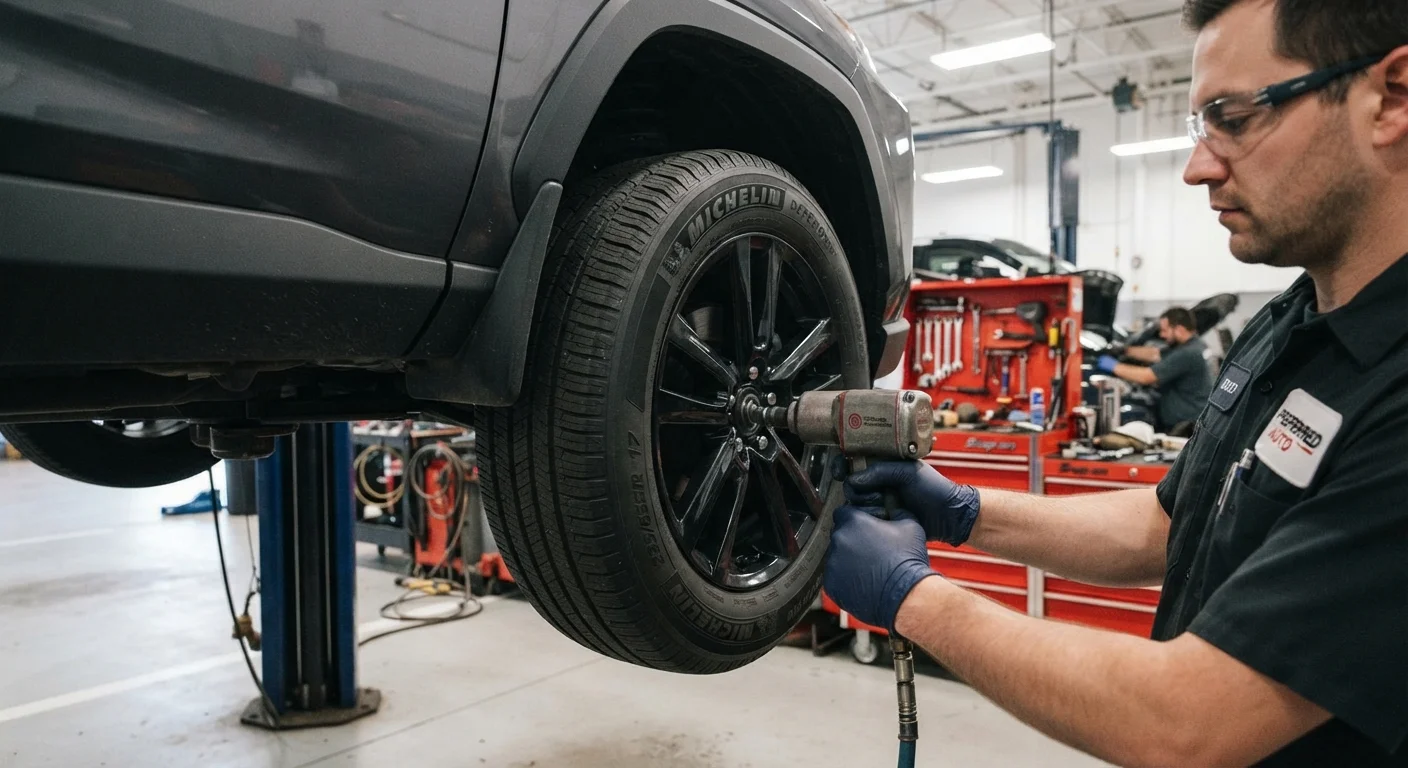
Photo credit: PrimeFaqs.com | Trending And Accurate Content
In this article
Rotation, balancing, and alignment are often confused. Here's what each service actually does and how often drivers typically need them.
Key Takeaways
- Rotation, balancing, and alignment solve three entirely different problems.
- Rotation is typically recommended every 5,000-7,500 miles to extend tire life.
- Balancing corrects vibration caused by uneven weight in a wheel-and-tire assembly.
- Alignment is a suspension adjustment - poor alignment causes uneven wear and pulling.
- Skipping any of these services can lead to premature tire replacement or handling issues.
Why the Confusion Exists
Most drivers hear these three terms at the service counter and assume they describe variations of the same job. That's understandable - they all involve tires, and shops sometimes bundle them together. But rotation, balancing, and alignment each address a completely separate mechanical issue. Understanding what each one does helps you know when you actually need it - and why skipping any of them has real consequences for your tires and your vehicle's handling.
As part of a broader first-time owner's maintenance orientation, these three services are among the most misunderstood routine jobs on any vehicle.
Tire Rotation: Spreading the Wear Evenly
Your tires don't all wear at the same rate. Front tires bear the brunt of steering forces and, on front-wheel-drive vehicles, also handle acceleration. Rear tires follow a different wear pattern. Left and right tires experience different stresses depending on road crowning and driving habits.
What it involves: A technician removes all four tires and remounts them in new positions - front-to-rear, side-to-side, or in a cross pattern - depending on your vehicle's drivetrain and tire type. No special machine is required beyond a lift and basic tools.
Why it matters: Rotating tires on a regular schedule helps all four wear down at roughly the same rate, extending the usable life of the full set. Tires that never rotate can wear out on one axle while the other pair still has significant tread remaining.
Typical interval: Every 5,000 to 7,500 miles. Many drivers time it with oil changes. Your owner's manual will give the manufacturer's specific recommendation.
Sync Rotation with Oil Changes
If your vehicle uses a 5,000-mile oil change interval, rotating tires at the same visit is an easy way to stay on schedule without an extra trip. Many shops include a tire rotation check as part of a standard oil change service. Confirm with your shop whether rotation is included or billed separately.
Wheel Balancing: Eliminating Vibration
Even a brand-new tire isn't perfectly uniform in weight distribution around its circumference. Small variations in rubber thickness and the weight of the valve stem can create imbalances. At highway speeds, those small differences generate noticeable vibration.
What it involves: The wheel and tire are mounted on a balancing machine that spins the assembly and detects where weight is uneven. A technician then attaches small adhesive or clip-on weights to the rim to counteract the heavy spots.
Why it matters: An out-of-balance wheel causes steering wheel shake, accelerated wear on specific parts of the tread, and added stress on wheel bearings and suspension components. The vibration often appears between 55 and 70 mph and may come and go as speed changes.
Typical triggers: When new tires are mounted, when you notice vibration, or if a balance weight falls off the rim. Some shops recommend rebalancing every 12,000 to 15,000 miles as a precaution.
~45,000 miles
Potential tire life lost to improper inflation and neglected rotation
Tire manufacturers and industry groups consistently note that irregular rotation and improper inflation are among the leading causes of premature tire wear.
1 in 4
Vehicles found to have at least one tire significantly underinflated
The U.S. National Highway Traffic Safety Administration has noted through tire pressure monitoring data that a large share of passenger vehicles have at least one underinflated tire, which compounds uneven wear.
$200+
Typical cost of a single replacement tire (varies widely by size and type)
Maintaining rotation and alignment schedules can extend full-set tire life, deferring the cost of replacement by tens of thousands of miles.
Wheel Alignment: Adjusting Suspension Geometry
Alignment is the most misunderstood of the three because it has nothing to do with moving tires around or adding weights. It's a suspension adjustment - the angles at which your tires sit relative to the road and to each other are measured and corrected using specialized equipment.
What it involves: A technician places sensors on each wheel and uses an alignment rack to measure three key angles: camber (inward or outward tilt of the tire), toe (whether tires point inward or outward), and caster (the angle of the steering axis). Adjustments are made to suspension components to bring those angles back within the manufacturer's specified range.
Why it matters: Misalignment forces tires to scrub against the road at a slight angle, causing uneven and accelerated tread wear. It can also make your vehicle pull to one side or cause the steering wheel to sit off-center when driving straight. Left uncorrected, poor alignment can wear out a set of tires prematurely and affect handling safety.
Typical triggers: After hitting a significant pothole or curb, after suspension or steering parts are replaced, or if you notice pulling, drifting, or uneven tire wear. Many mechanics suggest an annual check. This is also one of the common maintenance oversights that lead to expensive repairs when left unaddressed.
How These Services Fit Into the Bigger Picture
Together, these three services protect your tire investment and support safe, predictable handling. They work best when treated as part of a regular maintenance rhythm rather than reactive fixes.
Rotation keeps wear even across all four tires. Balancing keeps the ride smooth and protects suspension components. Alignment keeps tires contacting the road correctly and prevents premature wear. None of them substitutes for the others.
For new car owners, these services often show up as unexpected recurring costs. Our article on recurring expenses that catch new car owners off guard covers these and other routine bills worth planning for. Staying on schedule with all three is a straightforward way to avoid the larger expenses that come from neglected tires and suspension wear.
Directional and Run-Flat Tires Have Restrictions
Some tires can only rotate front-to-rear on the same side of the vehicle - directional tires have a tread pattern designed to spin in one direction only. Run-flat tires and staggered fitments (different sizes front and rear) may have limited or no rotation options. A qualified technician can confirm what rotation pattern applies to your specific tires.
Frequently Asked Questions

Author
Automotive Basics Editorial Team
Automotive Basics Editorial Team is the collective byline for our editorial team and contributor network. Articles published under this byline or an editorial pen name are researched, written, and reviewed according to our editorial standards for clarity, consistency, and independence before publication.
View all articles →