
Talking to a Mechanic Without Feeling Lost
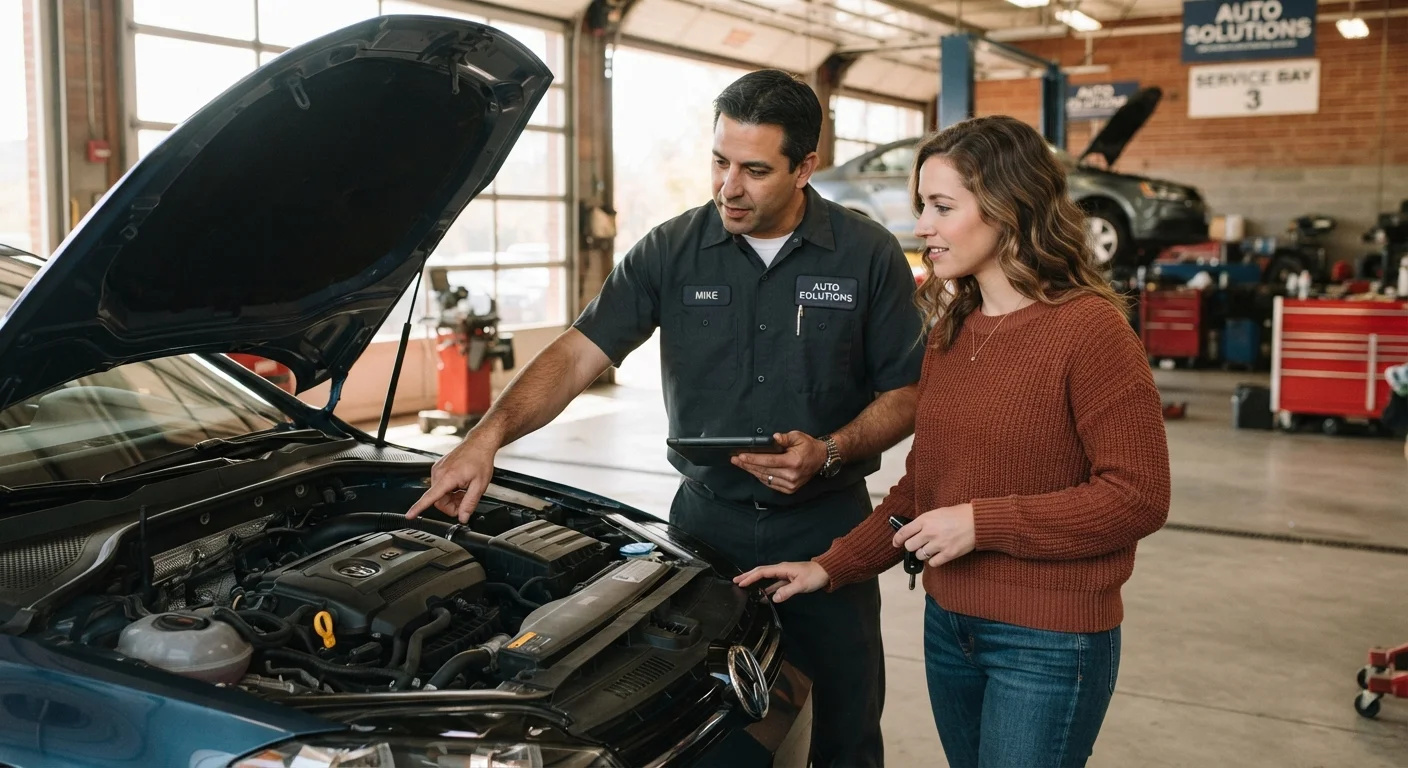
Photo credit: PrimeFaqs.com | Trending And Accurate Content
Understanding basic repair terminology and knowing what questions to ask helps you make informed decisions at the shop — not rushed ones.
Key Takeaways
- Writing down symptoms before your visit helps mechanics diagnose problems faster and more accurately.
- Asking for a written estimate before work begins protects you from surprise charges.
- Understanding a few common repair terms removes most of the confusion at the counter.
- You have the right to decline recommended repairs and seek a second opinion before committing.
- A good mechanic will explain findings in plain language; reluctance to do so is a red flag.
Why the Shop Counter Feels Intimidating
For many drivers, the moment a service advisor starts talking about "torque converter slippage" or "deferred maintenance on the valve cover gasket," the instinct is to nod and agree - just to avoid looking uninformed. That instinct is understandable, but it can lead to authorized work you didn't fully understand or repairs you could have declined or shopped around for.
The good news: you don't need to become a car expert to have a productive conversation with a mechanic. You just need a structured approach, a few key vocabulary words, and the confidence to ask basic questions. If you're still building your foundational knowledge of how vehicles are maintained, our first-time owner's orientation to car maintenance is a useful starting point.
What you will need
The steps below walk you through exactly how to prepare for, navigate, and follow up on a shop visit - no technical background required.
How to Navigate the Visit Step by Step
Document your symptoms before you arrive
Before you call the shop or pull into the bay, write down exactly what you're experiencing. Note when it happens (cold start, highway speed, braking), where the sound or feeling seems to come from, and how long it's been occurring. The more specific you are, the less guesswork - and potentially billable diagnostic time - the mechanic needs.
If a warning light is on, look it up in your owner's manual. Knowing whether it's a tire pressure indicator versus an emissions flag helps you frame the conversation accurately.
Learn the four terms you'll hear most often
You don't need an automotive degree - you just need to recognize a handful of phrases:
- Diagnostic fee: A charge for the time spent identifying the problem using tools and inspection. This is separate from the repair cost.
- Labor rate: The hourly charge for the mechanic's work, typically displayed on a posted sign or quoted upfront. Rates vary by shop type and region.
- OEM vs. aftermarket parts: OEM (Original Equipment Manufacturer) parts are made to the same spec as your factory parts. Aftermarket parts are alternatives - sometimes less expensive, sometimes comparable quality, sometimes not. Ask which is being used and why.
- Estimate vs. quote: An estimate is an approximation that may change; a written quote is a firmer commitment. Always confirm which one you're receiving.
Ask three questions before authorizing repairs
Once the mechanic has assessed your vehicle, ask these before saying yes:
- "Can you show me or explain what you found?" A trustworthy shop will walk you through it - in person, with photos, or with the old part in hand.
- "Is this repair urgent, or can it wait?" Not every flagged item is an immediate safety concern. Understanding the timeline helps you prioritize spending.
- "What happens if I don't fix this now?" This question clarifies whether you're dealing with a safety issue, a reliability risk, or something cosmetic.
Understand what you're signing
Most shops use a repair order (sometimes called a work order) that you sign before they start. Read it before you hand it back. It should list the specific services authorized, the estimated cost of parts and labor separately, and any clauses about charges if you decline the repair after diagnosis.
If anything on the form is unclear, ask for clarification. Signing a blank or incomplete repair order removes your ability to dispute unexpected charges later.
Follow up and keep a maintenance record
When you pick up your vehicle, ask for a copy of the completed repair order showing what was done, what parts were used (with part numbers if possible), and any warranty terms on the work. File it with your other vehicle documents.
This record matters for two reasons: it helps your next mechanic understand your car's history, and it supports any warranty claims if the same problem recurs. A consistent paper trail also signals to future buyers - or trade-in appraisers - that the vehicle was properly maintained. For more on how repair history factors into bigger decisions, see our guide on when to repair vs. replace a vehicle.
A Second Opinion Is Always Allowed
If a repair estimate feels unexpectedly high or the recommendation doesn't quite make sense, getting a second opinion is a normal, accepted practice. Most mechanics are aware of this. Call another shop, describe the findings you were given, and ask what they would charge for the same work. This is especially worth doing for repairs estimated over a few hundred dollars.
Don't Ignore Safety-Related Findings
If a mechanic identifies a brake, steering, or tire issue, treat it as urgent even if the car still seems drivable. These systems directly affect your ability to control the vehicle. Delaying safety-related repairs to save money in the short term can create significantly greater risk - and cost - down the road.
Once you've developed a habit of documenting, asking questions, and keeping records, shop visits become far less stressful. Understanding which maintenance tasks you might reasonably handle yourself - and which ones genuinely warrant a professional - is the natural next step. Our guide on DIY car maintenance boundaries covers that distinction in detail. And if you're curious about which overlooked services tend to cause the most downstream damage, see common maintenance oversights that lead to expensive repairs.

Author
Automotive Basics Editorial Team
Automotive Basics Editorial Team is the collective byline for our editorial team and contributor network. Articles published under this byline or an editorial pen name are researched, written, and reviewed according to our editorial standards for clarity, consistency, and independence before publication.
View all articles →