
Seasonal Timing and What It Means for Your Trip
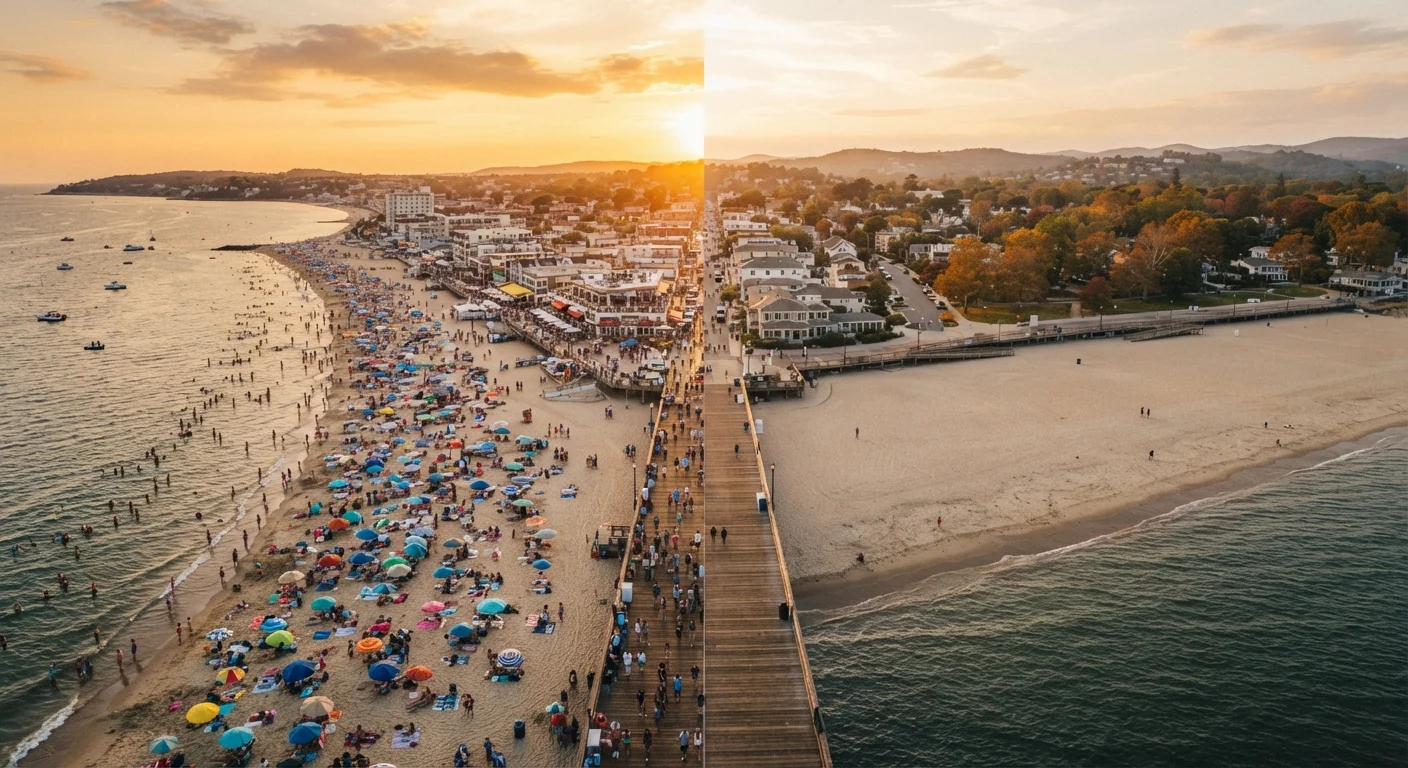
Photo credit: PrimeFaqs.com | Trending And Accurate Content
In this article
Shoulder season, peak season, off-season — what these terms actually mean for crowds, costs, weather, and what you can realistically do.
Key Takeaways
- Peak season brings ideal conditions but also the highest prices and largest crowds.
- Shoulder season is often the sweet spot - decent weather, fewer crowds, and more moderate costs.
- Off-season offers real savings but may mean limited hours, closures, or unpredictable weather.
- Season definitions vary by destination - always research the specific place you're visiting.
- Flexibility around dates is one of the most practical tools a traveler has.
The Three Seasons - What Each One Actually Means
Every destination has its own rhythm, and understanding it before you book is one of the most useful things you can do as a traveler. The travel industry typically divides the year into three broad categories: peak season, shoulder season, and off-season.
Peak season is when a destination is at its most visited. Conditions are generally at their most favorable - warm weather for beach towns, snow for ski resorts, dry skies for hiking destinations - but so are prices and crowd levels. Think summer in coastal Maine, winter in Aspen, or spring in Paris.
Shoulder season falls just outside peak. You get a meaningful portion of the destination's appeal with noticeably fewer visitors. A beach resort in late September still has warm sand, but without the August wall-to-wall crowds. For city destinations, shoulder season often means museums you can actually walk through at a comfortable pace.
Off-season is the quietest stretch - and the most misunderstood. Yes, prices tend to drop and crowds all but disappear, but some of what you came for may be unavailable. Seasonal businesses close, some trails may be inaccessible, and weather can be genuinely challenging. Off-season travel rewards flexible, research-oriented travelers who know what they're signing up for.
What Seasons Actually Affect on the Ground
Knowing the season name is only half the story. Here's what changes in practice:
- Crowds: Peak season means competition for reservations, long waits at popular spots, and busy transportation. Shoulder and off-season dramatically reduce friction.
- Costs: Airfare and accommodation pricing generally tracks demand. Shoulder season is often the most cost-effective balance point. Off-season can be very affordable, but flight routes sometimes reduce frequency.
- Hours and access: Many tourist-facing businesses - boat tours, seasonal rentals, park visitor centers - scale back or shut entirely outside peak. Always confirm operating status before you go.
- Weather: This is destination-specific and never fully predictable. Historical averages are useful guides, not guarantees. Pack for a range of conditions regardless of season.
- Atmosphere: Some travelers prefer the energy of peak season; others find a quieter, more local-feeling visit more rewarding. This is genuinely a personal preference worth thinking through.
For a practical look at how trip timing connects to the length of your available vacation window, see our guide to planning around a long weekend vs. a full week.
Check Local Calendars Before You Book
Major local events - festivals, sporting championships, conventions - can create micro-peak seasons that override the usual seasonal patterns. A hotel in an otherwise quiet off-season city can sell out entirely during a regional event. Always check the destination's local events calendar for the exact dates you're considering before finalizing any booking.
How to Put This Into Practice
The most important thing to remember: seasons are destination-specific. Don't assume a single calendar applies everywhere. A quick search of a destination's tourism board or travel resources will usually reveal exactly when peak demand falls - and that context transforms your planning.
If you're drawn to a specific place and have some date flexibility, identify the last two to three weeks of peak season or the first few weeks of shoulder season. That window often delivers the best combination of favorable conditions and manageable crowds. For US coastal destinations, our article on visiting coastal New England in the off-season is a good example of what this looks like in practice.
Finally, remember that seasons interact with trip type. A city cultural trip is far less season-sensitive than a national park adventure where trail conditions and visitor quotas matter enormously. Use our framework for choosing between a city trip and a nature trip to think through which kind of experience fits your priorities - season included. For more destination-specific inspiration across the board, browse the Destinations hub.
30-50%
Typical price variation between peak and off-season
Travel industry analysis consistently finds accommodation and flight costs fluctuate substantially based on demand cycles, with shoulder season often landing in the middle of that range.
3 in 5
Travelers who say crowds affect trip satisfaction
Surveys of American leisure travelers regularly find that crowd levels are among the top factors influencing how enjoyable a trip felt overall.
Frequently Asked Questions

Author
Travel & Trips Editorial Team
Travel & Trips Editorial Team is the collective byline for our editorial team and contributor network. Articles published under this byline or an editorial pen name are researched, written, and reviewed according to our editorial standards for clarity, consistency, and independence before publication.
View all articles →