
Why Mexico City Surprises So Many American Visitors
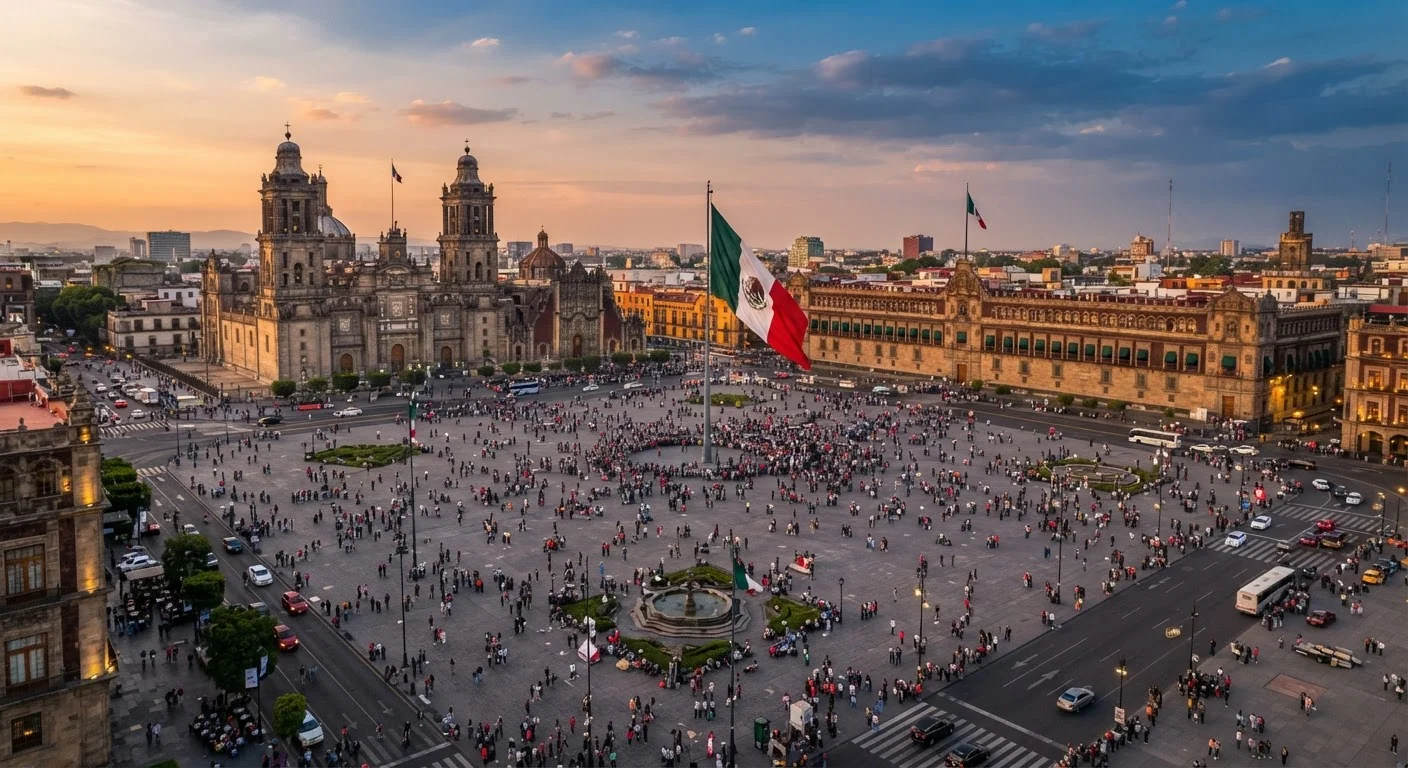
Photo credit: PrimeFaqs.com | Trending And Accurate Content
Common assumptions about Mexico City often don't hold up. Here's what the city is actually like—its size, culture, food, and neighborhoods.
Key Takeaways
- Mexico City is one of the largest metropolises in the Western Hemisphere, with world-class infrastructure.
- Many neighborhoods are walkable, culturally rich, and comparable in safety to major U.S. cities.
- The city's food scene extends far beyond tacos - it's a UNESCO Creative City of Design.
- Altitude is a real consideration: Mexico City sits at roughly 7,350 feet above sea level.
- Direct flights from many U.S. cities make Mexico City one of the most accessible international destinations.
The Assumptions vs. The Reality
Ask most Americans what they expect from Mexico City and you'll hear a familiar set of concerns: safety worries, stomach trouble, language barriers, and a vague sense that it's too chaotic to navigate comfortably. Those assumptions have kept millions of travelers from one of the most extraordinary urban destinations in the Americas - and most of them dissolve within the first day of actually being there.
Mexico City, known locally as CDMX (Ciudad de México), is a metropolitan area of more than 21 million people. It has an extensive metro system, world-renowned museums, a restaurant scene that rivals Paris and Tokyo, and neighborhoods that reward slow, curious exploration. The gap between what travelers expect and what they find is wide - and worth closing before you write it off your list.
Myth
Mexico City is too dangerous for American tourists.
Fact
Like any large city, CDMX has neighborhoods that vary in safety - but popular visitor areas are generally well-patrolled and heavily frequented by both locals and international travelers.
The city's tourist-friendly neighborhoods - Roma, Polanco, Condesa, Coyoacán, Centro Histórico - see enormous foot traffic and a strong local police presence. The U.S. State Department issues travel advisories by Mexican state, not by city neighborhood, so it's important to read those advisories carefully and with context. Millions of Americans visit CDMX each year without incident. Standard urban awareness - knowing your route, securing valuables, using reputable transportation - applies here just as it would in any major U.S. city.
Myth
You'll definitely get sick from the food or water.
Fact
Traveler's stomach issues are possible but far from inevitable - and they're largely manageable with straightforward precautions.
Avoiding tap water and choosing bottled or purified water is standard practice, and restaurants in visitor-heavy areas follow this consistently. The food scene itself - from street tacos to high-end tasting menus - is one of the city's great draws, and millions of visitors enjoy it without digestive trouble. Eating at busy, popular stalls (high turnover means fresh ingredients), avoiding raw vegetables at spots of uncertain hygiene, and easing into the cuisine rather than overindulging on day one all reduce risk meaningfully.
Myth
Mexico City is just a stopover, not a real destination.
Fact
CDMX is a destination in its own right, with more museums than almost any other city in the world and a cultural depth that takes multiple visits to absorb.
The city holds over 150 museums, including the Museo Nacional de Antropología - widely considered one of the finest anthropology museums anywhere. The historic center is a UNESCO World Heritage Site. The Frida Kahlo Museum in Coyoacán draws visitors from across the globe. Neighborhoods like Roma Norte have developed internationally recognized food and design scenes. Many travelers who initially planned three days end up wishing they had booked a week.
Myth
Mexico City is too polluted and crowded to enjoy.
Fact
Air quality has improved significantly over recent decades, and the city's many green spaces and open plazas offer genuine breathing room.
CDMX made major investments in public transportation and emissions reduction from the 1990s onward, and air quality today - while still a concern on certain days - is markedly better than it was in the 1980s. The city also has an extensive network of parks, including the enormous Bosque de Chapultepec, one of the largest urban parks in the Western Hemisphere. Visitors spending time in Roma, Condesa, or Coyoacán often describe the experience as surprisingly green and unhurried.
What First-Time Visitors Should Actually Prepare For
While the city defies most negative assumptions, a few practical realities are genuinely worth knowing before you go.
Plan for Altitude on Day One
Mexico City's elevation of roughly 7,350 feet is one surprise the city genuinely delivers. Headaches, fatigue, and shortness of breath are common for the first day or two, especially if you're flying in from a sea-level city. Drink plenty of water, avoid overexertion, and give your body time to adjust before diving into a packed itinerary. If you have cardiovascular or respiratory conditions, consult your healthcare provider before traveling to high-altitude destinations.
Altitude adjustment is the one surprise Mexico City regularly delivers on. At approximately 7,350 feet above sea level, the city sits higher than Denver. First-time visitors sometimes feel winded or mildly headachy during their first 24 to 48 hours. Staying well-hydrated, taking it easy the first day, and avoiding heavy alcohol consumption early in the trip helps considerably. Most people adapt quickly.
Navigation is easier than many expect. Neighborhoods like Roma Norte, Condesa, and Coyoacán are highly walkable, well-lit, and packed with cafés, parks, and bookshops. The metro is inexpensive and efficient, and ride-share apps widely used in the U.S. operate throughout the city. Spanish fluency is not required - though even a handful of phrases earns immediate goodwill.
If you enjoy discovering places that feel genuinely lived-in and layered with history, CDMX delivers in ways that more-packaged destinations rarely do. For travelers who also love road-tripping through less-visited spots, hidden desert towns in the American Southwest offer a very different but equally rewarding experience closer to home.
150+
Museums in Mexico City
Mexico City is recognized as having one of the highest concentrations of museums of any city in the world, spanning art, history, science, and anthropology.
7,350 ft
Elevation above sea level
Mexico City's high altitude surprises many visitors - it sits significantly higher than Denver, Colorado, making altitude adjustment a real first-day consideration.

Author
Travel & Trips Editorial Team
Travel & Trips Editorial Team is the collective byline for our editorial team and contributor network. Articles published under this byline or an editorial pen name are researched, written, and reviewed according to our editorial standards for clarity, consistency, and independence before publication.
View all articles →