
What Makes Iceland Worth the Journey in Every Season
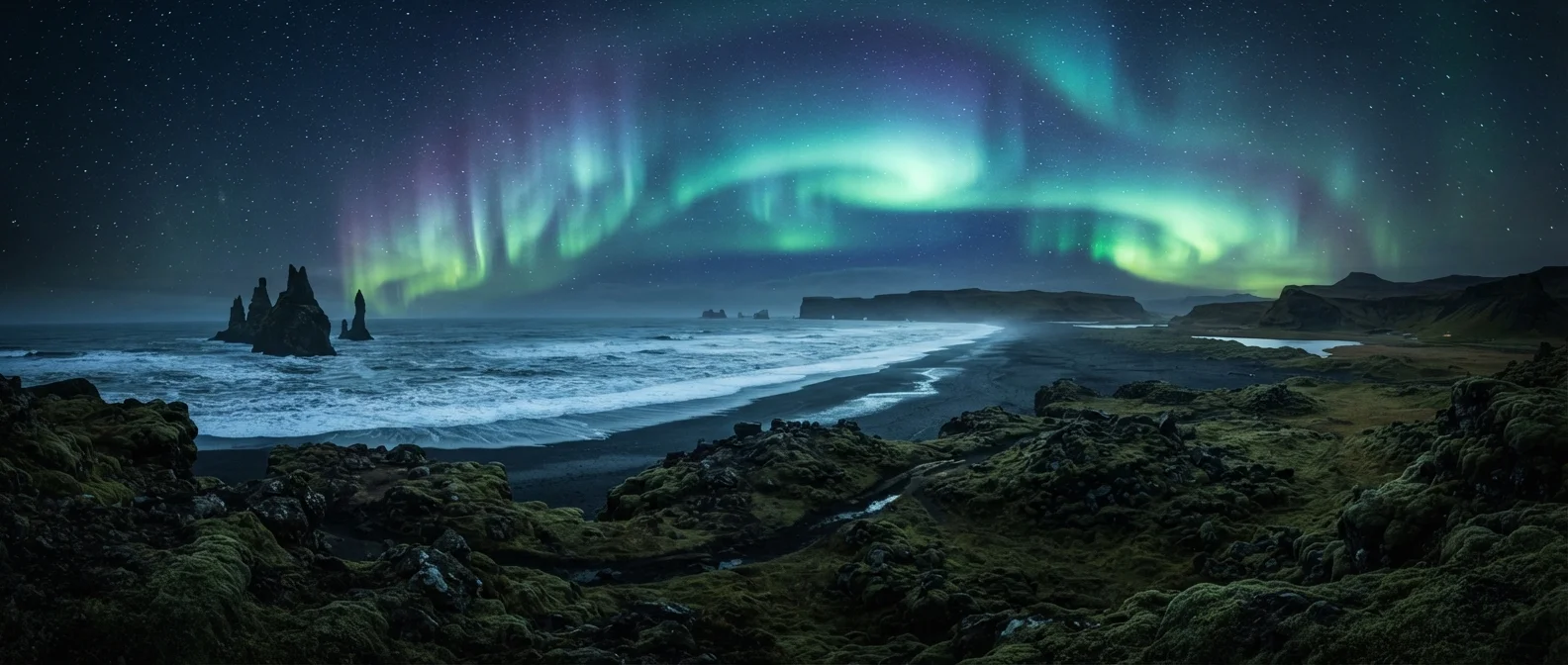
Photo credit: PrimeFaqs.com | Trending And Accurate Content
In this article
Iceland's appeal shifts dramatically by season. Explore what the midnight sun, autumn auroras, and winter ice each uniquely offer.
Key Takeaways
- Iceland rewards visitors year-round, but each season offers a fundamentally different experience.
- Summer brings near-24-hour daylight and accessible highlands; winter delivers prime aurora viewing.
- Shoulder seasons - spring and autumn - balance cost, crowds, and a mix of Iceland's best conditions.
- Driving the Ring Road is possible most of the year, but winter road closures require careful planning.
- Flight costs and accommodation prices shift significantly by season, affecting overall trip budget.
Aurora borealis viewing is among world's best
Iceland's relatively low light pollution outside Reykjavik and its high-latitude position make it one of the most accessible aurora destinations for American travelers, particularly between September and March.
Midnight sun enables marathon sightseeing days
In June and July, near-continuous daylight means you can hike, drive, and explore without racing the clock - a genuinely unique experience that reframes what a travel day feels like.
Compact geography packs in extraordinary variety
Geysers, glaciers, volcanoes, hot springs, and dramatic waterfalls are all reachable within a single road trip circuit, making Iceland unusually efficient for the range of landscapes it delivers.
Strong tourism infrastructure for self-drive trips
The Ring Road loops the entire island and is well-maintained for most of the year, making Iceland one of the most independent-travel-friendly remote destinations in the world.
Shoulder seasons offer genuine value
Spring and autumn bring noticeably lower accommodation and flight costs compared to peak summer, while still offering signature experiences like auroras, waterfalls, and accessible sightseeing.
Trip costs are consistently high year-round
Iceland ranks among the more expensive destinations in Europe across accommodation, dining, fuel, and guided tours. Even in off-peak months, daily budgets for most American travelers run higher than comparable European destinations.
Weather is highly unpredictable and fast-changing
Conditions can shift from sunshine to blizzard within hours regardless of season. Flexible itineraries and proper gear are non-negotiable, and some planned activities may need to be rescheduled at short notice.
Winter driving carries serious hazards
Ice, black ice, high winds, and sudden whiteout conditions make winter driving in Iceland genuinely risky. A 4WD vehicle and familiarity with driving in arctic conditions is strongly recommended; some roads close entirely.
Popular sites can feel overwhelmed in summer
Sites like Seljalandsfoss, the Golden Circle, and Jökulsárlón glacier lagoon see heavy visitor traffic in June through August, which can undercut the sense of remote wilderness Iceland is known for.
Aurora viewing is never guaranteed
Cloud cover - common in Iceland - can obscure the northern lights entirely even on nights when solar activity is strong. Multiple nights of availability improve odds, but no aurora experience is certain.
Why Iceland Defies a Single 'Best Time to Go'
Most destinations have an obvious peak window. Iceland laughs at that convention. The country's position just below the Arctic Circle means it experiences some of the most extreme seasonal swings on the planet - from near-constant daylight in June and July to barely five hours of sun in December. That isn't a drawback; it's the whole point.
What draws Americans to Iceland isn't just one iconic image - it's the layering of experiences across the calendar. The glaciers are always there, but how you access them, what light falls on them, and what else is happening around them changes completely depending on when you show up. Understanding those shifts is the key to planning a trip that actually matches your priorities. For a broader framework on how seasonality affects your options, see our guide to seasonal timing and trip planning.
The Real Advantages Iceland Delivers
Iceland's appeal is concrete and compelling across multiple dimensions - and it's worth spelling out what you're actually getting before weighing the challenges.
Aurora borealis viewing is among world's best
Iceland's relatively low light pollution outside Reykjavik and its high-latitude position make it one of the most accessible aurora destinations for American travelers, particularly between September and March.
Midnight sun enables marathon sightseeing days
In June and July, near-continuous daylight means you can hike, drive, and explore without racing the clock - a genuinely unique experience that reframes what a travel day feels like.
Compact geography packs in extraordinary variety
Geysers, glaciers, volcanoes, hot springs, and dramatic waterfalls are all reachable within a single road trip circuit, making Iceland unusually efficient for the range of landscapes it delivers.
Strong tourism infrastructure for self-drive trips
The Ring Road loops the entire island and is well-maintained for most of the year, making Iceland one of the most independent-travel-friendly remote destinations in the world.
Shoulder seasons offer genuine value
Spring and autumn bring noticeably lower accommodation and flight costs compared to peak summer, while still offering signature experiences like auroras, waterfalls, and accessible sightseeing.
~22 hrs
Daylight hours in Reykjavik at summer solstice
Around June 21, Reykjavik experiences near-continuous daylight, with the sun dipping only briefly below the horizon.
4-5 hrs
Daylight hours in Iceland during December
In midwinter, usable daylight in Iceland drops dramatically, requiring careful itinerary planning for outdoor sightseeing.
~2 million
Annual international visitors to Iceland
Iceland's tourism council has reported that annual visitor numbers have grown substantially since the early 2010s, putting pressure on popular natural sites.
Beyond the headline attractions, Iceland's infrastructure for tourism is genuinely impressive. The Ring Road (Route 1) circuits the entire island, making self-drive trips practical even for first-timers. English is widely spoken, the tap water is some of the cleanest in the world, and the country ranks among the safest destinations globally.
The Genuine Challenges You Should Anticipate
Iceland earns its reputation as a bucket-list destination - but it also earns its reputation as a demanding and sometimes expensive one. Going in clear-eyed will save you frustration.
Trip costs are consistently high year-round
Iceland ranks among the more expensive destinations in Europe across accommodation, dining, fuel, and guided tours. Even in off-peak months, daily budgets for most American travelers run higher than comparable European destinations.
Weather is highly unpredictable and fast-changing
Conditions can shift from sunshine to blizzard within hours regardless of season. Flexible itineraries and proper gear are non-negotiable, and some planned activities may need to be rescheduled at short notice.
Winter driving carries serious hazards
Ice, black ice, high winds, and sudden whiteout conditions make winter driving in Iceland genuinely risky. A 4WD vehicle and familiarity with driving in arctic conditions is strongly recommended; some roads close entirely.
Popular sites can feel overwhelmed in summer
Sites like Seljalandsfoss, the Golden Circle, and Jökulsárlón glacier lagoon see heavy visitor traffic in June through August, which can undercut the sense of remote wilderness Iceland is known for.
Aurora viewing is never guaranteed
Cloud cover - common in Iceland - can obscure the northern lights entirely even on nights when solar activity is strong. Multiple nights of availability improve odds, but no aurora experience is certain.
Verify Road and Entry Conditions Before You Go
Iceland's F-roads (highland interior routes) are legally restricted to 4WD vehicles and closed entirely during winter - typically November through late May, though dates vary by route and year. Road conditions are updated by the Icelandic Road and Coastal Administration (Vegagerðin) at road.is. Always check current conditions and any travel advisories from official sources, including the U.S. State Department, before finalizing travel plans.
If you've explored shoulder-season travel closer to home - say, New England's off-season coastline - you'll recognize some of the same trade-offs: fewer crowds, lower prices, but reduced services and less predictable conditions. Iceland applies those dynamics at a far more extreme scale.
Season by Season: What to Realistically Expect
Summer (June-August)
The midnight sun is real and genuinely disorienting in the best way. Daylight stretches past midnight, the highland interior roads (the F-roads) open up, and wildflowers blanket the lava fields. This is peak season - crowds at popular sites like Geysir and the Blue Lagoon area are at their highest, and flights and lodging reflect that demand.
Autumn (September-October)
Aurora season kicks off as darkness returns. The landscape turns gold and rust, waterfalls run full from autumn rain, and visitor numbers begin to ease. September is widely regarded by seasoned Iceland travelers as one of the most balanced months to visit.
Winter (November-February)
Ice caves inside Vatnajökull glacier become accessible - a bucket-list experience only possible in winter when the ice is stable enough for guided tours. Aurora probability peaks, but so does the likelihood of storm-related disruptions. Daylight windows are short, so itinerary planning requires discipline.
Spring (March-May)
Snow begins retreating, puffins return to coastal cliffs by May, and some highland roads start reopening by late spring. Prices are often lower than summer, and the landscapes have a dramatic, moody quality that photographers particularly prize.

Author
Travel & Trips Editorial Team
Travel & Trips Editorial Team is the collective byline for our editorial team and contributor network. Articles published under this byline or an editorial pen name are researched, written, and reviewed according to our editorial standards for clarity, consistency, and independence before publication.
View all articles →