
Understanding Hawaii's Islands: Which One Fits Your Travel Style
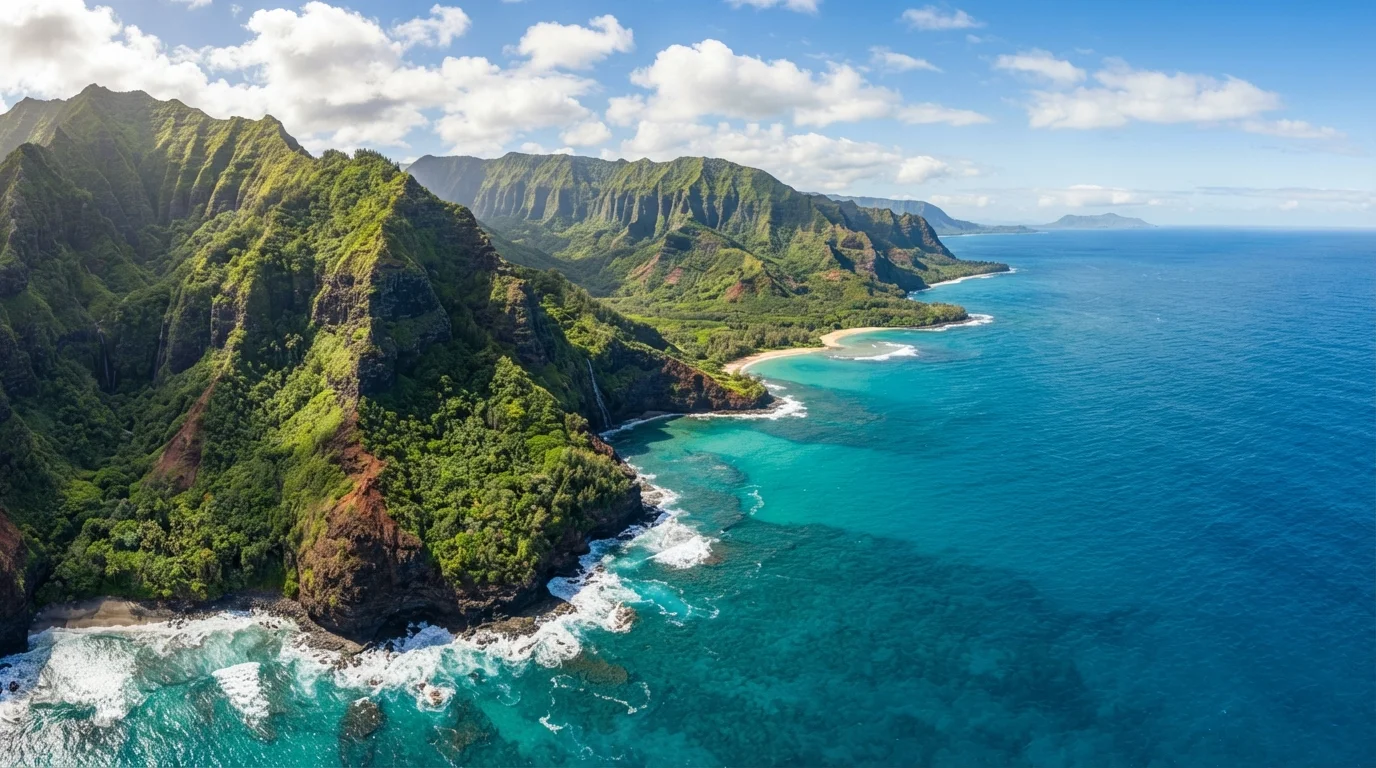
Photo credit: PrimeFaqs.com | Trending And Accurate Content
In this article
Each Hawaiian island has a different character. This guide breaks down what Oahu, Maui, Kauai, and the Big Island each offer.
Key Takeaways
- Oahu balances world-class beaches with city energy, history, and a wide range of budgets.
- Maui is the go-to for romance, luxury resorts, and a mix of adventure and relaxation.
- Kauai rewards travelers who prioritize dramatic nature, hiking, and a slower pace.
- The Big Island is unmatched for active volcanoes, stargazing, and ecological variety.
- Island-hopping is possible but adds cost and logistical complexity to your trip.
- Your travel style - not just your budget - should drive your island choice.
Oahu: The Island That Does It All
Oahu is Hawaii's most populous and visited island - and for good reason. It holds Honolulu, the state capital, which means you get a genuine city experience wrapped in tropical surroundings. Waikiki Beach is iconic for a reason: calm, swimmable water, a walkable beachfront, and easy access to restaurants, shops, and nightlife.
Beyond the buzz, Oahu carries serious historical weight. Pearl Harbor's memorials and museums offer a moving, important experience that draws travelers of all ages. The North Shore, a short drive away, flips the script entirely - small-town surf culture, shrimp trucks, and massive winter waves at spots like Banzai Pipeline.
If this is your first time in Hawaii, or if your group has mixed interests, Oahu's versatility is hard to beat. It also tends to have the widest spread of accommodation options across different price points. Before you finalize your days, check out our guide on building a travel itinerary that actually works - it'll help you avoid the trap of overplanning.
Match Your Island to Your Energy Level
Think honestly about your travel pace before booking. If you want to lounge on a beach with easy access to restaurants and activities, Oahu or Maui will serve you well. If you want to earn your views through hiking boots and long drives, Kauai and the Big Island reward that effort. Hawaii is stunning everywhere - the key is landing on the island that fits how you actually travel, not just how you imagine yourself traveling.
Maui: Romance, Beauty, and the Road to Hana
Maui has a well-earned reputation as Hawaii's most picturesque island. The west side - particularly the Kaanapali and Wailea resort corridors - delivers postcard-perfect sunsets, calm beaches, and upscale dining. It's the island most associated with honeymoons and milestone anniversaries, though it genuinely suits any traveler who wants beauty layered with variety.
The Road to Hana is Maui's defining adventure: a winding, 64-mile coastal highway lined with waterfalls, bamboo forests, and black-sand beaches. It takes a full day and rewards patience. Haleakala National Park adds yet another dimension - a dormant volcano where you can watch sunrise from above the clouds at roughly 10,000 feet.
For families, Maui's beaches near Kaanapali and Wailea are sheltered and swimmable. Snorkeling at Molokini Crater, a partially submerged volcanic caldera, is one of Hawaii's standout marine experiences. If you're still weighing the kind of trip you want, our piece on choosing between a city trip and a nature trip offers a useful decision framework.
4
Most-visited Hawaiian islands
Oahu, Maui, Kauai, and Hawaii Island collectively account for the vast majority of visitor arrivals to the state, according to the Hawaii Tourism Authority.
10,023 ft
Haleakala summit elevation on Maui
Haleakala National Park's summit stands above the clouds, making it one of the most visited high-altitude sunrise viewpoints in the US.
400+ inches
Annual rainfall at Kauai's Mount Waialeale
Waialeale is consistently ranked among the wettest spots on Earth, contributing to Kauai's extraordinary lush terrain.
4,028 sq mi
Size of Hawaii Island (the Big Island)
Hawaii Island is larger than all other Hawaiian islands combined, according to US Geological Survey data.
Kauai: Hawaii's Wild Side
Kauai is called the Garden Isle, and the name fits. It's the oldest and most geologically eroded of the main islands, which means deeply carved valleys, towering sea cliffs, and rivers that cut through emerald jungle. The Na Pali Coast - accessible by boat, helicopter, or on foot via the Kalalau Trail - is widely considered one of the most spectacular coastal landscapes in the United States.
Waimea Canyon, dubbed the "Grand Canyon of the Pacific," stretches ten miles long and more than 3,600 feet deep. Kauai also has the distinction of being one of the wettest spots on Earth on its northeast side (Mount Waialeale averages over 400 inches of rain annually), while the south and west shores stay dry and sunny.
This island suits travelers who want nature front and center - hikers, kayakers, photographers, and anyone who finds meaning in quiet, unhurried exploration. It's less developed than Oahu or Maui, which is exactly the point. For tips on navigating a trip built around outdoor exploration, the Travel Tips hub has practical guidance worth bookmarking.
The Big Island: Where Hawaii Feels Primal
Hawaii Island - the Big Island - is literally still growing. Active lava flows from Kilauea, one of the world's most active volcanoes, have been reshaping the coastline for decades. Hawaii Volcanoes National Park lets you walk across hardened lava fields, explore lava tubes, and on certain nights, witness a glowing lava lake in the caldera - an experience unlike anything else in the US.
The island's sheer size (it's larger than all the other Hawaiian islands combined) means it contains nearly every climate zone on Earth, from tropical rainforest to alpine desert to snow-capped summits on Mauna Kea. That same summit hosts some of the world's premier astronomical observatories, and the stargazing from the visitor center at around 9,000 feet is extraordinary.
For travelers who want something genuinely singular - not just a beautiful beach vacation but an encounter with raw, geological wonder - the Big Island stands alone. It pairs well with an adventurous itinerary style, and if you're planning how to get around once you land, our piece on road trip vs. fly-and-explore formats is particularly relevant here, since the Big Island rewards renting a car and driving its diverse regions.
Frequently Asked Questions

Author
Travel & Trips Editorial Team
Travel & Trips Editorial Team is the collective byline for our editorial team and contributor network. Articles published under this byline or an editorial pen name are researched, written, and reviewed according to our editorial standards for clarity, consistency, and independence before publication.
View all articles →