
Sustainable Travel in Practice: What It Actually Means on the Ground
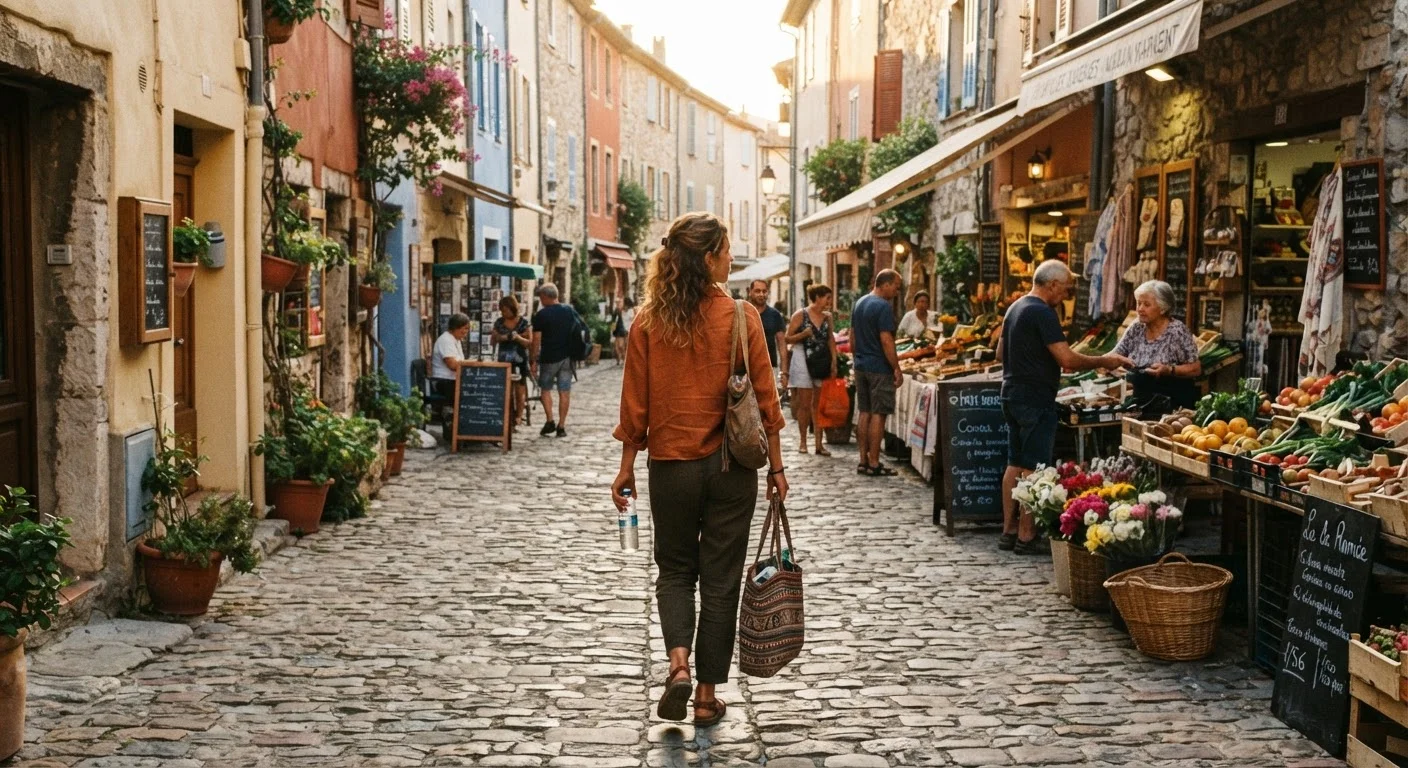
Photo credit: PrimeFaqs.com | Trending And Accurate Content
In this article
Sustainable travel is more than carbon offsets. Explore what respectful, low-impact travel looks like across different destinations.
Key Takeaways
- Sustainable travel is about daily behavior on the ground, not just carbon offsets at checkout.
- Spending money with locally owned businesses is one of the highest-impact choices a traveler can make.
- Visiting overcrowded destinations off-peak and exploring lesser-known areas reduces harm to popular sites.
- Respecting wildlife, natural spaces, and local customs is non-negotiable, not optional.
- Slow travel - staying longer in fewer places - often produces a lower footprint and a richer experience.
Beyond the Buzzword: What Sustainable Travel Really Involves
"Sustainable travel" gets thrown around a lot - on booking sites, in tourism campaigns, and in well-meaning packing guides. But once you're actually on the ground in a destination, what does it look like in practice? Spoiler: it's less about which airline you flew and far more about the hundreds of small decisions you make every day of your trip.
Sustainable travel, at its core, means moving through the world in ways that protect natural environments, respect local cultures, and support the communities you visit - rather than extracting value from them. That framing shifts the responsibility away from abstractions and onto your actual behavior as a traveler. It's worth pairing this mindset with solid trip planning from the start, so you're not making rushed decisions on the fly that lead to higher-impact choices.
Where Your Money Goes Matters Most
Economic leakage is a real phenomenon in tourism: a significant portion of money spent at international hotel chains, foreign-owned resorts, and large tour operators flows out of the destination economy rather than staying with local people. Choosing locally owned guesthouses, family-run restaurants, and community-based tour operators is one of the most direct ways to ensure your travel dollars actually benefit the place you're visiting.
This doesn't mean roughing it or avoiding comfort - it means being intentional. Ask your accommodation host where they recommend eating. Browse neighborhood markets instead of resort gift shops. Hire local guides rather than booking everything through a foreign aggregator platform. These choices compound quickly over the course of a trip.
~$1.5T
Annual global tourism revenue
The UNWTO estimates global tourism generates over a trillion dollars annually, but distribution to local communities varies enormously based on how tourism is structured.
Up to 80%
Tourism revenue that can leak out of developing economies
Research cited by the UN Environment Programme suggests that in some developing destinations, a large share of tourism spending leaves the local economy through foreign-owned operators and supply chains.
For more on managing what you spend while keeping your values intact, see our guide on tracking your trip budget in real time.
Reducing Pressure on Overtouristed Places
Some of the world's most beloved destinations - coastal villages in Croatia, temples in Southeast Asia, national parks across the American West - are under genuine strain from visitor volume. Sustainable travelers think critically about when and how they show up.
Traveling in the shoulder season (just before or after peak) reduces crowding and often makes for a more authentic experience. Exploring secondary destinations near famous ones - a lesser-known lake district instead of the headliner - spreads economic benefits more broadly and gives you breathing room. If you're wrestling with destination type, the city vs. nature trip framework can help you think through what actually fits your travel goals.
Behavior on the Ground: Nature, Wildlife, and Culture
Rules around wildlife and natural spaces exist for a reason. Staying on marked trails, following posted guidelines at protected areas, and resisting the urge to touch, feed, or photograph wildlife in intrusive ways all matter. Many ecosystems and animal populations are genuinely fragile, and the cumulative effect of thousands of well-meaning tourists doing "just one thing" is measurable.
Cultural respect operates similarly. Learning a few words of the local language, dressing appropriately at religious or ceremonial sites, and asking before photographing people are not just courtesies - they signal that you see the destination as a living community, not a backdrop. The slow travel approach naturally builds in more time to observe and adapt, rather than rushing through on a checklist.
For a comprehensive view of how these practices fit into your full travel arc - from booking through landing - the full journey playbook covers the on-the-ground awareness piece in broader context. And if you're refining your approach to trip planning overall, sustainable practices are easiest to build in from the planning stage rather than retrofitted at the last minute.
This article provides general travel information for educational purposes. Conditions, regulations, and community guidelines vary by destination - always verify current requirements with official local sources before you travel.

Author
Travel & Trips Editorial Team
Travel & Trips Editorial Team is the collective byline for our editorial team and contributor network. Articles published under this byline or an editorial pen name are researched, written, and reviewed according to our editorial standards for clarity, consistency, and independence before publication.
View all articles →