
Romanticizing the Road Trip: The Assumptions That Lead to Frustrating Journeys
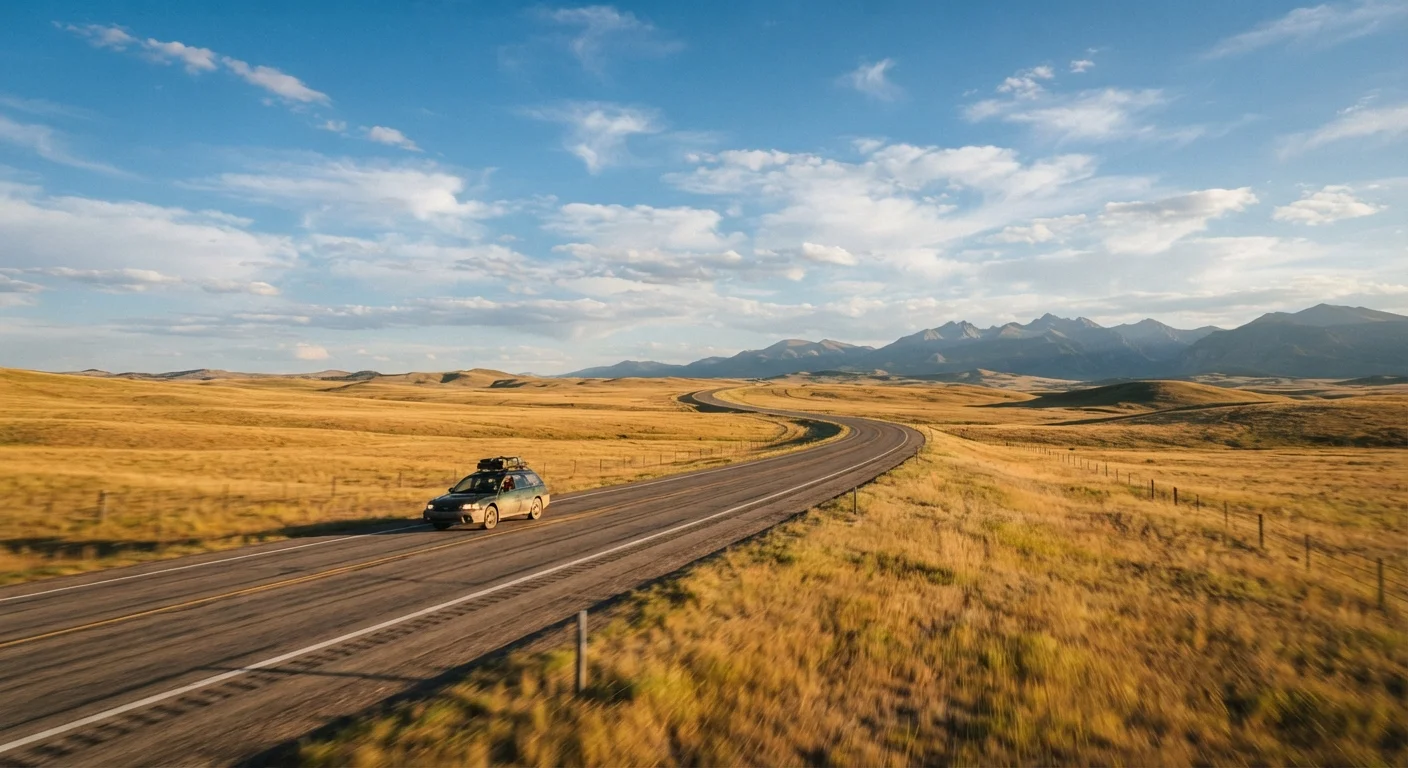
Photo credit: PrimeFaqs.com | Trending And Accurate Content
In this article
Long drives, spontaneous detours, and endless open road sound ideal—until reality sets in. Here's what travelers commonly misjudge.
Key Takeaways
- Underestimating daily drive times is one of the most common and avoidable road trip mistakes.
- Spontaneity works better with a loose structural plan underneath it, not instead of one.
- Fuel, food, and lodging gaps are real in rural America - research them before you hit the road.
- Vehicle preparation and driver fatigue management are safety priorities, not optional extras.
- Budgeting for a road trip requires accounting for costs beyond gas, including meals, tolls, and lodging.
Why Road Trips Feel Foolproof - Until They Aren't
There's a deeply American romanticism around the road trip: the freedom, the wind-in-your-hair spontaneity, the sense that you can pull over whenever something catches your eye. Movies and social media feed this fantasy constantly. The problem is that the gap between the fantasy and the logistics of actually driving 400 miles a day can be wide enough to swallow a vacation whole.
Most road trip frustration doesn't come from bad luck - it comes from a set of assumptions that feel reasonable until reality corrects them, often at the worst moment. Understanding those assumptions ahead of time is what separates a genuinely great drive from a grueling one. If you're building your first major itinerary, this trip-planning roadmap covers the full planning workflow from idea to departure.
Assuming map distance equals drive time.
Why it happens: Online maps show route distance prominently, so travelers do rough math - 300 miles at 60 mph equals five hours - and plan accordingly. But that math ignores traffic, construction, rest stops, meals, and the sheer fatigue of sustained driving.
Treating spontaneity as a substitute for planning.
Why it happens: The romantic road trip narrative celebrates going wherever the road takes you. This makes advance planning feel like it defeats the purpose - when in reality, a loose structure is what makes genuine spontaneity possible.
Underestimating fuel and service gaps in rural areas.
Why it happens: Travelers accustomed to urban and suburban driving assume gas stations appear every few miles. In parts of the Mountain West, Great Plains, and desert Southwest, that assumption can leave you stranded.
Ignoring vehicle preparation until something goes wrong.
Why it happens: People drive their cars daily without incident and assume road trips are no different - just longer. But sustained highway driving, mountain grades, and extreme temperatures stress vehicles in ways that routine commuting doesn't.
Budgeting only for gas.
Why it happens: Gas is the most visible road trip cost, so it anchors people's mental budget. Meals, tolls, parking fees, lodging, and incidental costs accumulate quickly and are rarely factored in at the planning stage.
Dismissing driver fatigue as a minor inconvenience.
Why it happens: Drivers often feel alert at the start of the day and underestimate how quickly long stretches at the wheel produce cognitive fatigue, slower reaction times, and impaired decision-making - even without feeling sleepy.
The Planning Gaps That Create On-the-Road Headaches
Beyond the mistakes individual travelers make, there are structural planning gaps that compound problems once you're moving. Rural stretches in the American West, for example, can go 80 to 100 miles without a gas station - a fact that catches unprepared drivers off guard even with modern GPS. Smaller desert communities that make for memorable stops often have limited services, meaning a midday detour can leave you short on fuel or lodging.
~80-100 mi
Typical service gap in remote Western US corridors
Some rural highways in states like Nevada, Wyoming, and eastern Oregon have stretches of 80 to 100 miles between fuel stations, according to state transportation data.
37%
Drivers who experienced unexpected trip costs
A survey by AAA found that a significant share of road trippers encounter unplanned expenses - from emergency repairs to last-minute lodging - that weren't factored into their original budget.
Lodging assumptions are another category where optimism reliably fails. Assuming you'll find an open room in a small town on a summer Friday night - especially near national parks - is a gamble that frequently doesn't pay off. Booking at least key overnight stops in advance gives you flexibility for the rest of the day without the anxiety of a homeless finish.
The hidden stressors that derail trips are rarely dramatic. They're the accumulation of small oversights - an unplanned toll road, a restaurant that closes at 8 p.m., a detour that adds two hours. Acknowledging these possibilities in the planning phase costs nothing and saves significant grief.
Don't Rely Solely on Cell Coverage for Navigation
Many scenic road trip routes - particularly through national forests, canyon lands, and mountain passes - have limited or no cellular signal. Relying entirely on a live navigation app can leave you without directions at the worst moment. Download offline maps for your full route before departure, and consider carrying a physical atlas or printed directions for key segments.
If you're weighing whether a road trip is even the right format for your vacation, a side-by-side look at driving versus flying can help you think through the real trade-offs - time, cost, flexibility, and comfort - before you commit.

Author
Travel & Trips Editorial Team
Travel & Trips Editorial Team is the collective byline for our editorial team and contributor network. Articles published under this byline or an editorial pen name are researched, written, and reviewed according to our editorial standards for clarity, consistency, and independence before publication.
View all articles →