
Japan for First-Time Visitors: Culture, Customs, and Getting Around
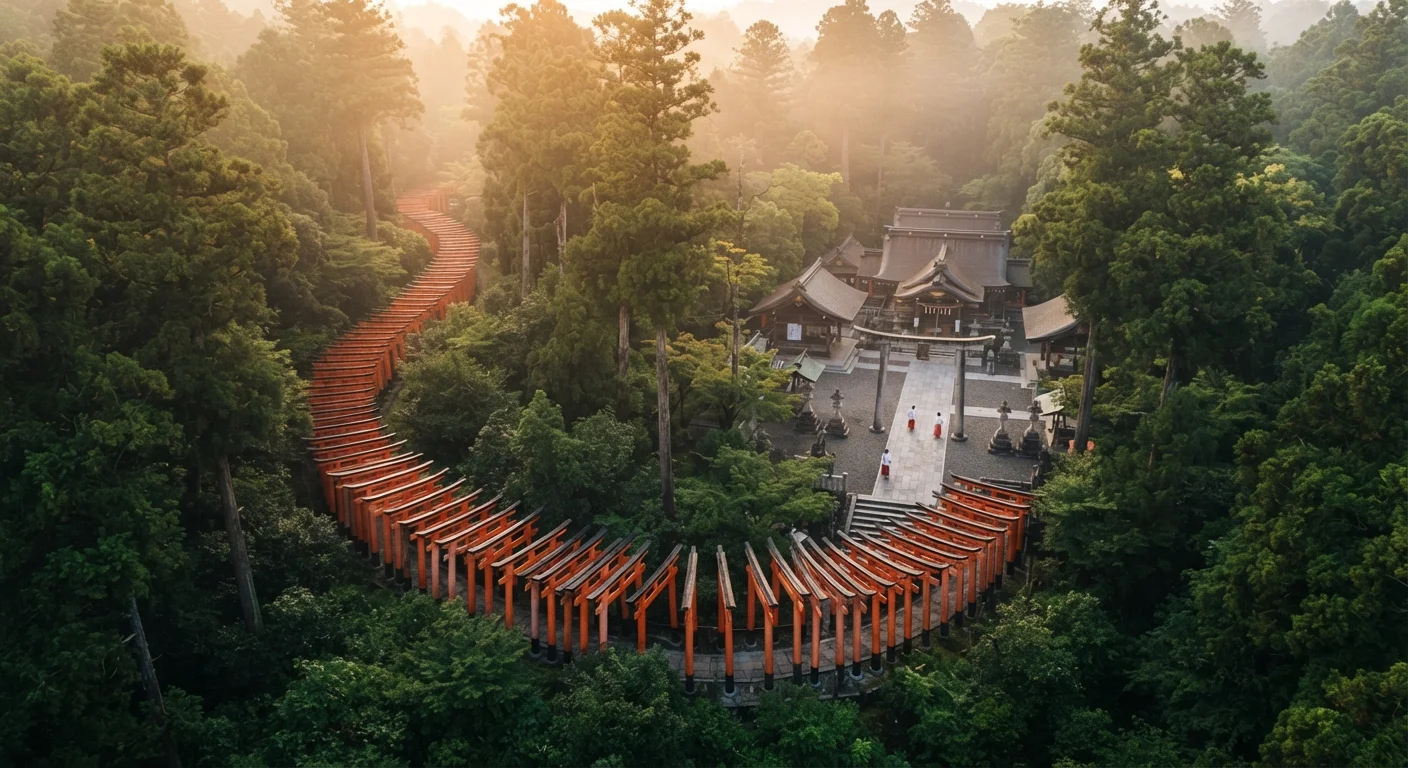
Photo credit: PrimeFaqs.com | Trending And Accurate Content
In this article
A comprehensive introduction to traveling Japan—covering transit, etiquette, regions, and what surprises most American visitors.
Key Takeaways
- U.S. citizens can enter Japan visa-free for stays up to 90 days - verify current rules before departure.
- The IC card (Suica or Pasmo) is the single most useful transit tool you can carry in Japan.
- Removing shoes indoors, keeping voices low on trains, and handling cash respectfully are key etiquette points.
- Japan's rail network is among the world's most punctual - trains are nearly always the best way to travel between cities.
- Carrying some yen cash is essential; many smaller restaurants and shops are still cash-only.
- Splitting your trip between at least two distinct regions - such as Tokyo and Kansai - dramatically broadens the experience.
Why Japan Surprises Most American First-Timers
Japan regularly tops travel wish lists, yet most Americans arrive expecting one thing and discover something richer and more layered than anticipated. The country is simultaneously ultramodern and deeply traditional - bullet trains stop at shrines that are centuries old, and a convenience store lunch can be a genuinely excellent meal. The gap between expectation and reality is almost always a pleasant one.
What catches visitors off guard most often is how smoothly everything functions. Transit runs on the dot, streets are clean, and strangers go out of their way to help with directions. The scale of Tokyo alone - population roughly 14 million in the city proper - can feel overwhelming at first, but the city is exceptionally navigable once you understand its systems. If you're newer to international travel in general, our first-time international travel guide is a solid foundation before diving into Japan specifics.
~31M
International visitors to Japan annually (pre-pandemic peak)
Japan Tourism Agency figures showed record-setting inbound tourism in 2019, with strong recovery underway in subsequent years.
99.9%
Shinkansen on-time rate (within 1 minute)
JR Central has consistently reported near-perfect punctuality across its bullet train lines, making it a benchmark for rail reliability worldwide.
~270
Shinkansen stations across Japan's network
Japan's expanding Shinkansen lines connect cities from Hokkaido in the north to Kagoshima in the south.
Entry Requirements and Pre-Trip Essentials
U.S. passport holders can currently enter Japan visa-free for tourism stays of up to 90 days - but entry rules can change, so always verify through official government sources before you book. Check the U.S. Department of State's Japan country page and Japan's Ministry of Foreign Affairs for the latest requirements. Our guide to entry requirements and travel advisories walks through exactly how to research this step by step.
Verify Entry Rules Before You Book
Japan's entry requirements - including any registration systems, vaccination documentation, or health declarations - have evolved in recent years and may continue to change. Do not rely on third-party travel blogs for this information. Check the official Japanese government immigration portal and the U.S. Embassy in Japan's website for the most current, authoritative requirements before making any reservations.
Travel insurance that covers medical evacuation is strongly recommended. Japan has world-class hospitals, but healthcare costs without coverage can be significant for foreign visitors. Before finalizing any reservations, run through our pre-trip planning checklist to make sure nothing falls through the cracks.
Getting Around: Trains, IC Cards, and the JR Pass
Japan's rail system is the backbone of any itinerary. The Shinkansen (bullet train) connects major cities at speeds up to around 200 mph and runs with legendary punctuality. For daily transit within cities, the network of subways and local trains covers almost everywhere you'll want to go.
Your single most practical purchase before or upon arrival: an IC card (Suica or Pasmo). These rechargeable transit cards work on virtually every train, subway, and bus in Japan and can also be used at convenience stores and vending machines. Load it with yen and tap on and off - simple.
Buy your Suica card digitally through Apple Wallet before you even board your flight - it works in Japan the moment you land, skipping the airport machine queues entirely.
International iPhone users can add a Suica card via Apple Wallet, which is one less logistical hurdle in a busy arrival environment.
Screenshot or download offline maps for each city before leaving your hotel each morning - Japan's dense urban grids can make real-time data usage spike fast.
Even with a pocket Wi-Fi, signal can drop in underground transit stations; offline maps prevent navigation dead ends.
The Japan Rail Pass (JR Pass) is a multi-day unlimited pass for JR-operated lines, including most Shinkansen routes. Whether it's cost-effective depends entirely on your itinerary - calculate your expected routes before buying, because it's not always the cheaper option for shorter trips or those staying in one region.
Cultural Customs and Everyday Etiquette
Respecting Japanese customs isn't just polite - it makes the entire trip go more smoothly. A few foundational rules:
- Remove shoes when entering homes, many traditional restaurants, and some temples. Look for a genkan (entryway step) or shoe rack as your cue.
- Stay quiet on public transit. Phone calls are widely considered inconsiderate on trains. Keep voices low.
- Handle cash and business cards with both hands - it signals respect.
- Don't eat or drink while walking in most areas. It's generally frowned upon outside festival contexts.
- Tipping is not practiced in Japan and can even cause awkwardness - excellent service is simply the standard.
Visiting a shrine or temple? Bow slightly at the torii gate before entering, follow any posted instructions for purification rituals, and be mindful about photography near sacred objects or ceremonies.
Choosing Your Regions: Tokyo, Kyoto, Osaka, and Beyond
A two-week first visit can comfortably cover two or three regions. Here's a quick orientation:
- Tokyo
- The mega-city that covers everything from traditional neighborhoods (Asakusa, Yanaka) to cutting-edge districts (Shibuya, Akihabara). Plan at least four to five days.
- Kyoto
- Japan's cultural heart - temples, geisha districts, bamboo groves, traditional ryokan inns. Three to four days is a minimum.
- Osaka
- Known for its food culture, vibrant nightlife, and as the gateway to day trips to Nara (free-roaming deer, ancient temples) and Hiroshima.
- Hokkaido & Tohoku
- Northern regions offering dramatic nature, ski resorts, and far fewer crowds - ideal for return visits or those seeking something off the beaten path.
For context on how Japan compares in planning complexity to a European itinerary, see our piece on planning a first trip to Europe. Japan demands more advance research but rewards it generously.
Money, Language, and Staying Connected
Cash is still king in much of Japan, especially outside major tourist zones. 7-Eleven and Japan Post ATMs reliably accept foreign cards. Carry yen for small restaurants, shrines, and markets - don't rely solely on cards.
English signage is widely available in Tokyo and Kyoto train stations and major tourist areas. Translation apps (offline mode enabled) are invaluable for menus and smaller shops. Learning a handful of Japanese phrases - sumimasen (excuse me), arigatou gozaimasu (thank you), eigo ga hanasemasu ka? (do you speak English?) - is appreciated and often elicits warm responses.
For connectivity, a pocket Wi-Fi rental or a Japan-specific SIM card purchased before or on arrival is the most reliable option. Many airports offer rentals at the arrivals hall. Check that your phone is unlocked before departure if you plan to use a local SIM. Our trip planner's roadmap covers tech prep alongside booking and packing logistics.
This article is for general informational purposes only. Entry requirements, travel advisories, and transit pricing are subject to change. Always verify current conditions through official government and provider sources before traveling.

Author
Travel & Trips Editorial Team
Travel & Trips Editorial Team is the collective byline for our editorial team and contributor network. Articles published under this byline or an editorial pen name are researched, written, and reviewed according to our editorial standards for clarity, consistency, and independence before publication.
View all articles →