
Credit Utilization: The Ratio That Quietly Shapes Your Score
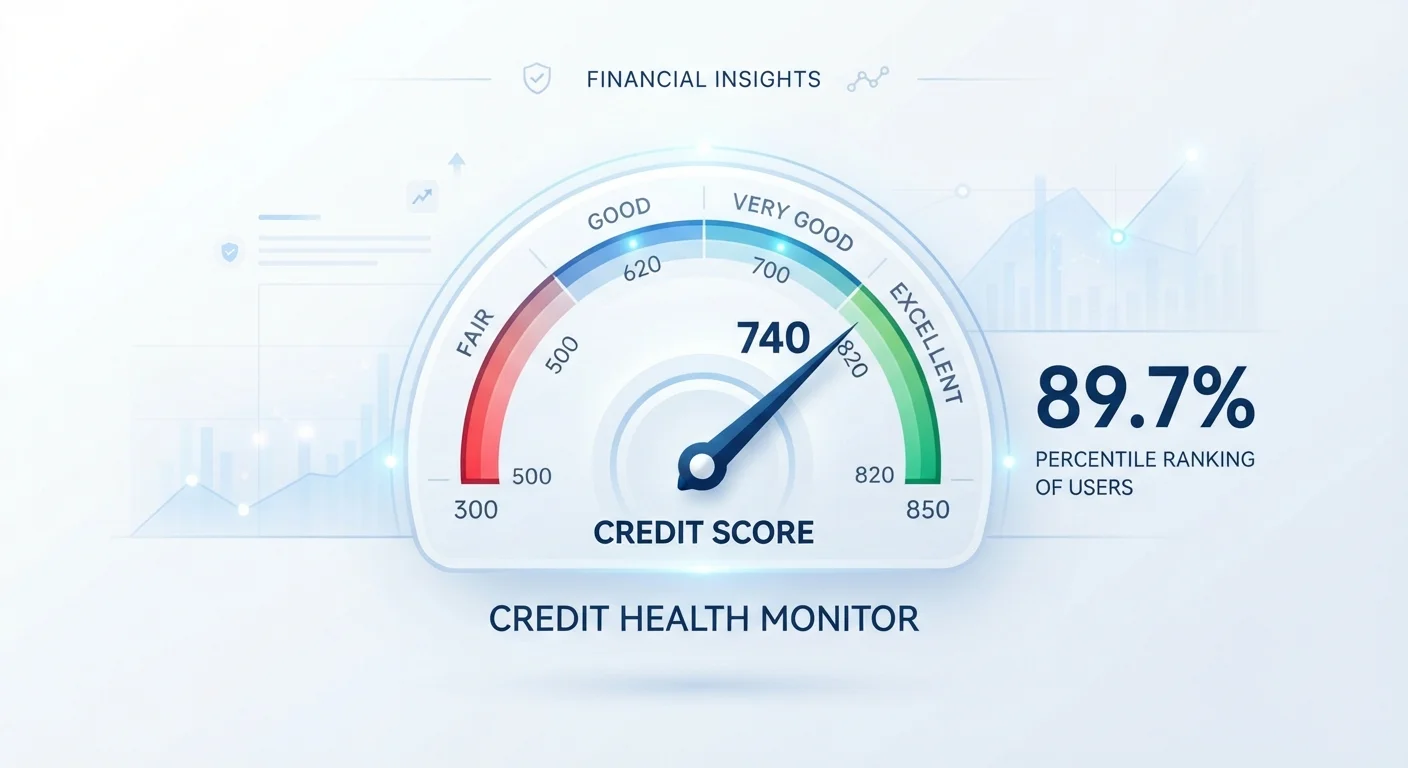
Photo credit: PrimeFaqs.com | Trending And Accurate Content
In this article
Credit utilization accounts for roughly 30% of your FICO score. Learn how it's calculated, what thresholds matter, and common misunderstandings about it.
Key Takeaways
- Credit utilization typically accounts for about 30% of a FICO score, making it one of the largest single factors.
- Keeping utilization below 30% is a common guideline, but lower is generally better for scoring purposes.
- Utilization is calculated at both the aggregate level and per individual card.
- Paying down balances before the statement closing date can lower the reported utilization.
- Closing old credit cards can inadvertently raise your utilization ratio by reducing available credit.
How Utilization Is Calculated
The formula itself is straightforward: divide your total revolving balances by your total revolving credit limits, then convert to a percentage. If you hold three credit cards with a combined limit of $15,000 and carry $4,500 in balances across them, your aggregate utilization is 30%.
What surprises many people is that this calculation happens in two places simultaneously. Scoring models assess your overall utilization across all cards and your per-card utilization on each account individually. A card sitting at 90% of its limit can drag down your score even when every other card is at 5%. This is why distributing balances across cards - rather than loading one - can make a meaningful difference.
Installment loans (mortgages, auto loans, student loans) are generally excluded from this calculation. Credit utilization applies specifically to revolving accounts like credit cards and lines of credit.
When Utilization Is Reported Matters
Credit card issuers typically report your balance to the major credit bureaus once per billing cycle, usually around your statement closing date. The balance reported at that moment is what scoring models use - not what you owe at the end of the month after you've paid. If your balance spikes mid-cycle due to a large purchase, that spike may be captured in the reported figure even if you pay it off immediately afterward.
Why Scoring Models Weight It So Heavily
Among the five major FICO score factors, utilization falls under "amounts owed," which accounts for roughly 30% of your score - the second-largest category after payment history. Credit scoring models treat high utilization as a signal of financial stress or over-reliance on borrowed funds, which statistically correlates with higher default risk.
This weighting reflects a straightforward idea: a borrower using 80% of their available credit may be stretching resources thin, while someone at 10% likely has more financial flexibility. Lenders, in turn, use scores as a proxy for that risk. As our broader guide on how credit works across your financial life explains, each score factor tells a different part of your financial story.
~30%
FICO score weight for amounts owed
According to FICO's published score factor breakdown, "amounts owed" - which includes credit utilization - is the second-largest factor in a standard FICO score.
<10%
Utilization typical among highest scorers
Data published by FICO indicates that consumers with scores above 800 carry an average utilization rate in the single digits.
2
Levels at which utilization is evaluated
FICO scoring models assess utilization both in aggregate across all revolving accounts and individually per card, meaning one maxed-out card can affect your score independently.
Common Misunderstandings Worth Correcting
Misconception 1: Carrying a small balance helps your score. This is a persistent myth. You don't need to carry a balance month-to-month to build credit. Paying in full each billing cycle avoids interest charges while still demonstrating card activity.
Misconception 2: The 30% threshold is a target. In reality, 30% is a commonly cited ceiling, not a goal. Scoring data consistently shows that people with exceptional scores tend to keep utilization well below that level - often under 10%.
Misconception 3: Closing unused cards is harmless. When you close a card, that account's credit limit disappears from your total available credit. Your balances don't change, so your ratio rises. This is one of the habits that quietly damage a good credit score over time without ever missing a payment.
Misconception 4: A hard inquiry affects utilization. Credit inquiries and utilization are separate score factors. Applying for a new card does trigger a hard pull, but the inquiry itself doesn't change your utilization ratio. If approved, your new credit limit increases your available credit, which can actually lower utilization - though the inquiry has its own short-term effect. For more on that distinction, see our article on hard inquiries vs. soft inquiries.
Practical Ways to Manage Your Utilization
Because utilization reflects current reported balances rather than historical averages, it responds relatively quickly to changes. Here are the most reliable approaches:
- Pay before your statement closes. Your issuer typically reports the balance shown on your statement. Paying down balances before that closing date means a lower number gets reported to the bureaus.
- Request a credit limit increase. A higher limit on an existing card reduces your ratio if your spending stays flat. Issuers may perform a hard inquiry for this, so it's worth asking your issuer whether they use a soft or hard pull before requesting.
- Spread spending across multiple cards. Rather than concentrating charges on one card, distributing balances keeps per-card utilization lower across the board.
- Avoid closing cards before major applications. If you're planning to apply for a mortgage or auto loan, closing credit accounts beforehand can reduce available credit at exactly the wrong moment. Our checklist on reviewing your credit before a major financial milestone walks through what to examine and when.
This article is for general informational and educational purposes only. It does not constitute personalized financial or credit advice. Consult a qualified financial professional for guidance tailored to your specific situation.
Frequently Asked Questions

Author
Personal Finance Editorial Team
Personal Finance Editorial Team is the collective byline for our editorial team and contributor network. Articles published under this byline or an editorial pen name are researched, written, and reviewed according to our editorial standards for clarity, consistency, and independence before publication.
View all articles →