
Weekly Meal Planning: A Framework for More Consistent Nutrition
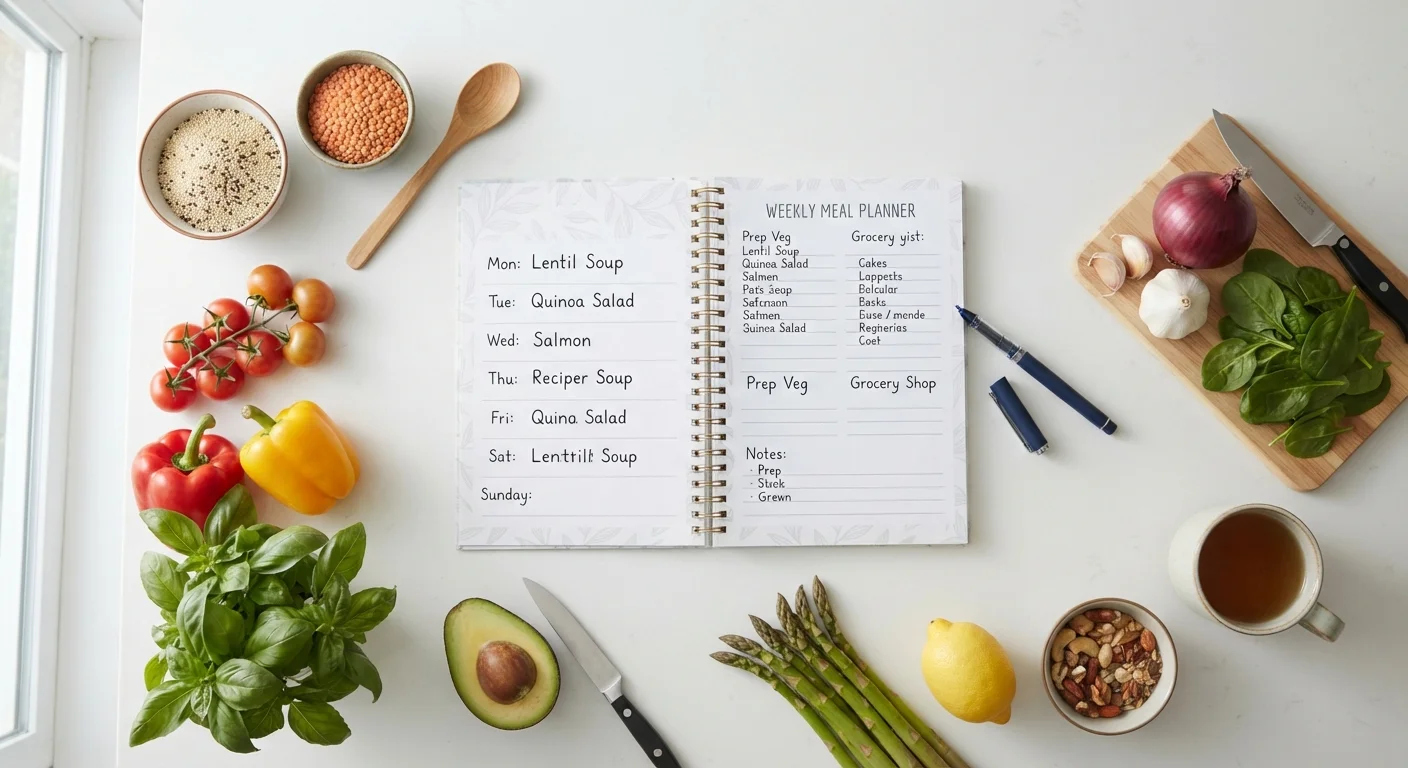
Photo credit: PrimeFaqs.com | Trending And Accurate Content
Consistent nutrition is easier with a plan. A practical checklist for building a weekly meal structure that covers your nutritional bases.
Key Takeaways
- A written weekly meal plan significantly reduces last-minute food decisions that can undermine nutritional goals.
- Consistent nutrition is built through repeatable structures, not perfection at every meal.
- Planning around food groups and meal timing helps cover nutritional bases without complicated tracking.
- Batch preparation reduces the daily effort required to eat well throughout a busy week.
- Flexibility built into a plan prevents all-or-nothing thinking when schedules shift.
Why a Framework Matters More Than a Perfect Plan
Most people already know the broad strokes of eating well - more vegetables, adequate protein, limited ultra-processed foods. The gap between knowing and doing is usually not information; it's structure. Without a repeatable weekly framework, even well-intentioned eaters face the same friction every day: deciding what to eat, whether ingredients are on hand, and how much time is realistically available.
Research in behavioral nutrition consistently finds that planning ahead is one of the strongest predictors of diet quality. A practical meal-planning habit doesn't require rigid menus or elaborate spreadsheets. It requires a framework you return to each week - a scaffold that reduces decisions and keeps nutritional variety within reach.
This checklist is designed to help you build that framework. Work through it once to set up your system, then use it as a weekly touchstone. If you're also working on the movement side of your health habits, the same behavioral principles apply - see our guide to building sustainable fitness habits for context on how consistency outperforms intensity in both nutrition and exercise.
Weekly Review & Inventory
Nutritional Coverage Planning
Meal Structure & Balance
Grocery & Shopping Preparation
Batch Preparation Steps
End-of-Week Check-In
How to Use This Checklist Each Week
Set aside 30 to 60 minutes - ideally on the same day each week - to work through the planning and preparation steps. Many people find Sunday afternoon or Friday evening works well, but the right time is whichever you can protect consistently.
Flexibility Is Part of the Plan
A meal plan is a guide, not a contract. When schedules change or a planned meal doesn't happen, the goal is to return to the framework - not to start over from zero. Building in intentional flexibility from the start prevents all-or-nothing thinking, which is one of the most common reasons structured eating habits fall apart. Aim for consistency across the week, not perfection at every meal.
Start with what you already have. Check your pantry, freezer, and refrigerator before building a grocery list. Reducing food waste is both economically sound and environmentally responsible, and it often reveals perfectly usable ingredients you had forgotten. For practical approaches to eating nutritiously without overspending, our article on eating well on any budget offers strategies that pair naturally with meal planning.
Keep your completed plan visible - on the refrigerator, in a notes app, or wherever you naturally look during meal prep. The simpler your system, the more consistently you'll use it. Some common nutritional blind spots also arise from well-meaning but incomplete habits; reviewing nutrition habits that quietly undermine a healthy diet can help you identify gaps your plan might not yet address.
Weekly Planner Template (paper or digital)
Provides a visual grid to map meals across each day of the week, making gaps and imbalances easy to spot at a glance.
Kitchen Scale
Useful for portioning batch-cooked proteins and grains consistently, especially helpful when tracking intake for health reasons.
Airtight Storage Containers
Keeps prepped vegetables, grains, and proteins fresh throughout the week, making batch cooking practical.
Grocery List App or Notepad
Keeps your shopping list organized and accessible so nothing is forgotten at the store.
Freezer-Safe Bags or Containers
Extends the life of batch-cooked meals and prevents food waste when you've prepared more than the week requires.
This article is for general informational and educational purposes only. It is not a substitute for personalized nutrition advice from a registered dietitian or qualified healthcare professional. If you have specific health conditions, dietary restrictions, or concerns, please consult a qualified professional before making significant changes to your diet.

Author
Health & Wellness Editorial Team
Health & Wellness Editorial Team is the collective byline for our editorial team and contributor network. Articles published under this byline or an editorial pen name are researched, written, and reviewed according to our editorial standards for clarity, consistency, and independence before publication.
View all articles →