
Before Every Long Road Trip: A Practical Vehicle Readiness Checklist
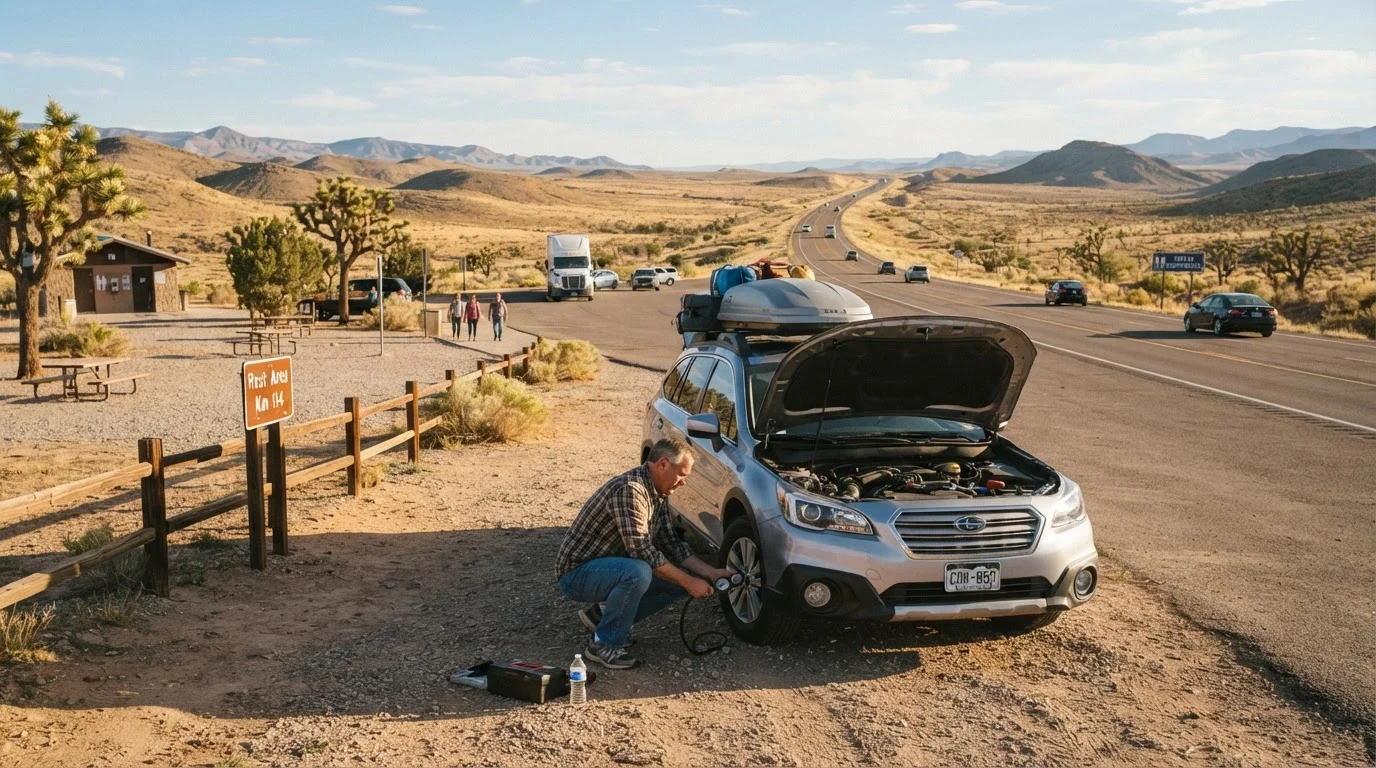
Photo credit: PrimeFaqs.com | Trending And Accurate Content
In this article
A straightforward checklist covering fluids, tires, lights, brakes, and emergency supplies to review before any extended highway drive.
Key Takeaways
- Checking tire pressure and tread depth is one of the single most impactful pre-trip safety steps.
- Fluid levels - including oil, coolant, and brake fluid - should be verified at least 48 hours before departure.
- A basic emergency kit can significantly reduce the cost and stress of a roadside breakdown.
- Brake and light checks take only minutes but can prevent serious safety hazards on the highway.
- Many issues caught during a pre-trip inspection are far cheaper to fix than repairs after a breakdown.
Why This Checklist Matters Before a Long Drive
Short errands around town are forgiving - if something's slightly off, you're rarely far from help. Long highway drives are a different story. Hours at speed, far from familiar mechanics or family, raise the stakes considerably on anything your car is quietly struggling with.
The good news: most breakdowns that strand drivers on the side of the road are preventable. Tire failures, overheating engines, and dead batteries are almost always preceded by warning signs that a careful pre-trip inspection would catch. The Car Maintenance hub covers these issues in depth, but this checklist gives you a structured, practical walk-through specific to extended highway travel.
Work through this list at least 48 hours before you plan to leave. That window gives you time to schedule a quick shop visit if something needs professional attention - without the pressure of a same-day departure.
Brake Concerns Mean Stop, Don't Delay
If at any point during this checklist you notice a low brake fluid level, spongy or soft brake pedal feel, grinding noises when braking, or the vehicle pulling sharply to one side under braking, do not delay repair until after your trip. Brake system failures are among the most serious causes of highway accidents. Have the vehicle inspected by a qualified mechanic before driving any significant distance.
Tools and Supplies You'll Need
Most of these checks require nothing more than your eyes and a few inexpensive items you likely already own. Gather the following before you begin your walkthrough:
Tire pressure gauge
Accurately measure PSI in all tires before departure; digital or stick-style both work.
Flashlight
Illuminate the engine bay, tire sidewalls, and undercarriage during your inspection.
Clean lint-free rag
Wipe the oil dipstick clean before taking an accurate reading.
Tread depth gauge or quarter
Measure remaining tire tread to determine if tires are safe for highway use.
Portable jump starter
Provide a self-contained backup power source if the battery dies away from another vehicle.
Owner's manual
Reference correct fluid specs, tire pressure ratings, and service intervals specific to your vehicle.
The Vehicle Readiness Checklist
Work through the groups below in order. The sequence moves from underhood systems to exterior checks to the interior, which mirrors a logical walk-around inspection. For a complementary look at how seasonal conditions affect these same systems, see the seasonal car maintenance checklist - particularly if you're driving in hot summer or cold winter conditions.
Fluids
Tires
Battery and Electrical
Brakes and Belts
Emergency Supplies
Don't Skip the Spare Tire Check
Many drivers assume their spare is ready to use - and discover otherwise on the side of a highway. Compact spare tires (often called 'donuts') lose pressure over time even without use. Check the spare's PSI every time you check your regular tires. Also confirm that a jack, lug wrench, and any necessary adapter for locking lug nuts are present and accessible in the vehicle.
When to Call a Mechanic Instead of DIYing
This checklist is designed for visual and functional checks - not repairs. If you discover low brake fluid with no obvious cause, spongy brake pedal feel, a battery that struggles to turn the engine over, or tires showing uneven wear patterns, those are signals to schedule a professional inspection before your trip, not after.
Brake system concerns in particular should always go to a qualified mechanic. The Driving & Safety hub has further guidance on recognising when a car issue crosses from monitoring territory into stop-driving-now territory.
If cold weather is part of your route, also review the cold-weather car care guide - freezing temperatures affect batteries, tire pressure, and fluid viscosity in ways that can compound quickly at highway speeds.
This article is intended for general informational purposes only. For vehicle-specific guidance, consult your owner's manual or a qualified automotive technician. Do not attempt repairs beyond your skill level, particularly on brake or steering systems.

Author
Automotive Basics Editorial Team
Automotive Basics Editorial Team is the collective byline for our editorial team and contributor network. Articles published under this byline or an editorial pen name are researched, written, and reviewed according to our editorial standards for clarity, consistency, and independence before publication.
View all articles →