
What Your Check Engine Light Is Actually Telling You
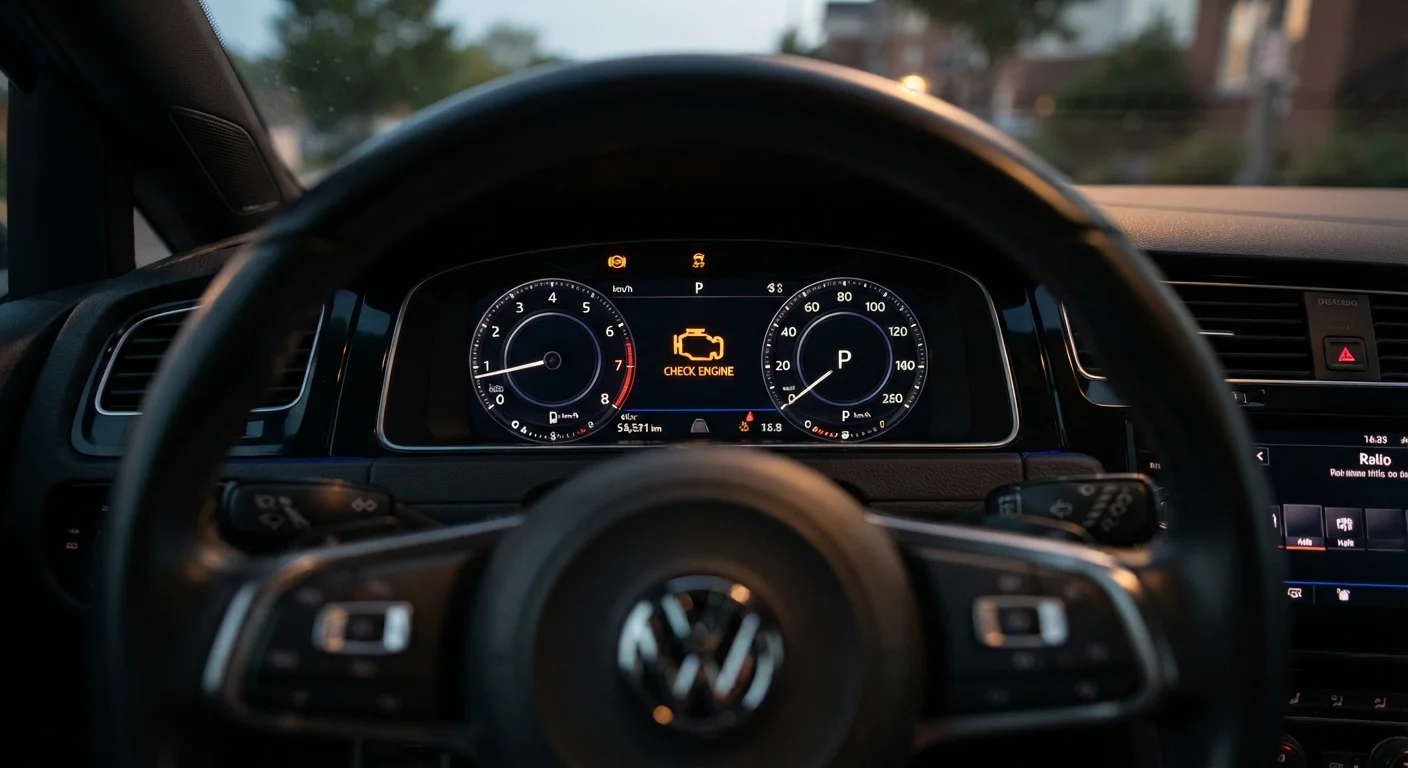
Photo credit: PrimeFaqs.com | Trending And Accurate Content
In this article
Decode the check engine light: what triggers it, when it's urgent, and what to expect when a mechanic runs a diagnostic scan.
Key Takeaways
- A steady check engine light usually indicates a non-emergency fault worth investigating soon - but not a reason to pull over immediately.
- A flashing check engine light signals an active, potentially serious misfire that can damage the catalytic converter; reduce speed and seek service promptly.
- The light itself does not identify the problem - a diagnostic scan retrieves the stored fault code that points toward a cause.
- Many auto parts stores offer free OBD-II code reads, which can give you a starting point before visiting a mechanic.
- Ignoring the light risks turning a minor issue into a costly repair.
Why the Light Comes On - and What It Cannot Tell You
Your car's OBD-II system continuously monitors dozens of sensors - oxygen sensors, mass airflow sensors, coolant temperature sensors, and more. When a reading falls outside expected parameters, the ECU logs a diagnostic trouble code (DTC) and illuminates the check engine light. The light is a messenger, not a diagnosis.
Common triggers include:
- Loose or faulty gas cap - causes an evaporative emissions leak (EVAP code)
- Oxygen sensor failure - affects fuel mixture calculations and fuel economy
- Catalytic converter inefficiency - often a downstream symptom of another ignored fault
- Mass airflow sensor issues - disrupts the air-fuel ratio
- Spark plug or ignition coil problems - causes misfires, which can escalate quickly
- Thermostat or coolant sensor faults - see our guide on how engine coolant works for context
Because a single fault code can point to multiple possible root causes, reading the code is only step one. Proper diagnosis involves inspecting the related system - not just replacing the first part associated with the code.
~7%
U.S. vehicles with check engine light on at any time
Industry estimates from automotive diagnostic data suggest roughly one in fourteen vehicles on U.S. roads has an active check engine light at any given time.
P0420
One of the most common OBD-II fault codes
Catalytic converter efficiency codes (P0420/P0430) consistently rank among the most frequently retrieved DTCs in U.S. diagnostic data, often reflecting upstream sensor issues rather than converter failure.
1996
Year OBD-II became mandatory in the U.S.
The U.S. EPA required OBD-II compliance on all new passenger cars and light trucks sold in the United States starting with the 1996 model year.
Steady vs. Flashing: The Urgency Difference
The behavior of the light matters as much as the light itself.
Steady light: The ECU has detected a fault that is not causing immediate, severe damage. The vehicle is often still safe to drive for a short time, but the issue needs attention. Continuing to drive indefinitely risks worsening an underlying problem - a pattern explored in our piece on common maintenance oversights that become expensive.
Flashing light: This almost always indicates an active engine misfire. Unburned fuel entering the hot exhaust can destroy a catalytic converter in minutes of sustained driving. Reduce speed, avoid hard acceleration, and head to a shop as soon as safely possible.
Other dashboard lights matter here too. A check engine light combined with an oil pressure warning or overheating indicator is a more serious combination - pull over safely and do not continue driving until the situation is assessed.
Check Your Gas Cap Before Anything Else
A loose or improperly seated fuel cap is one of the most common - and cheapest - causes of a check engine light. Before scheduling a diagnostic appointment, remove the cap completely, inspect the rubber seal for cracks or debris, and reinstall it firmly until you feel or hear it click. Drive your normal routine for two to three days and see if the light clears on its own.
What Happens During a Diagnostic Scan
A diagnostic scan connects a handheld reader or computer to your vehicle's OBD-II port - a standardized 16-pin connector typically located beneath the dashboard on the driver's side. The scanner retrieves stored DTCs, freeze-frame data (a snapshot of sensor readings at the moment the fault was detected), and readiness monitor statuses.
A basic code read tells you the fault category. A thorough shop diagnostic goes further: a technician interprets the code in context, tests related components, rules out secondary causes, and recommends a repair path. This is why a code number alone - say, P0420 for catalytic converter efficiency - does not automatically mean you need a new catalytic converter. An experienced technician checks upstream causes first.
Before your appointment, it helps to note when the light appeared, whether driving conditions changed (cold start, highway, heavy load), and any symptoms like rough idle, reduced fuel economy, or unusual smells. That context saves diagnostic time. Once you're at the shop, our guide on talking to a mechanic without feeling lost can help you ask the right questions and understand what you're being told.
What to Do Right Now if Your Light Is On
Follow this straightforward sequence to respond calmly and avoid unnecessary expense:
- Check your gas cap first. Remove it, reseat it firmly until you hear a click, and drive a few cycles. If that was the cause, the light may go off on its own.
- Observe the light's behavior. Steady means schedule soon. Flashing means act now.
- Note any symptoms. Write down anything unusual - sounds, smells, performance changes - before they fade from memory.
- Get the code read. Many auto parts retailers will read your OBD-II codes at no charge, giving you a starting point for the conversation with your mechanic.
- See a qualified mechanic for diagnosis. A code points toward a system; a technician identifies the actual cause and the right repair. Brake-related warning lights, for example, call for immediate attention - see what brake warning signs actually indicate.
The check engine light is your car's way of asking for attention - not always urgently, but always honestly. Responding with accurate information and a clear head is what separates a minor repair bill from a major one.
“The check engine light is the most misunderstood signal in the car. Drivers either panic or ignore it - and both responses cost money. The right move is to gather information first.”
— Automotive Basics Editorial Team, Editorial guidance for everyday American drivers
Frequently Asked Questions

Author
Automotive Basics Editorial Team
Automotive Basics Editorial Team is the collective byline for our editorial team and contributor network. Articles published under this byline or an editorial pen name are researched, written, and reviewed according to our editorial standards for clarity, consistency, and independence before publication.
View all articles →