
Jet Lag Is Inevitable-Here's Why That's Only Half True
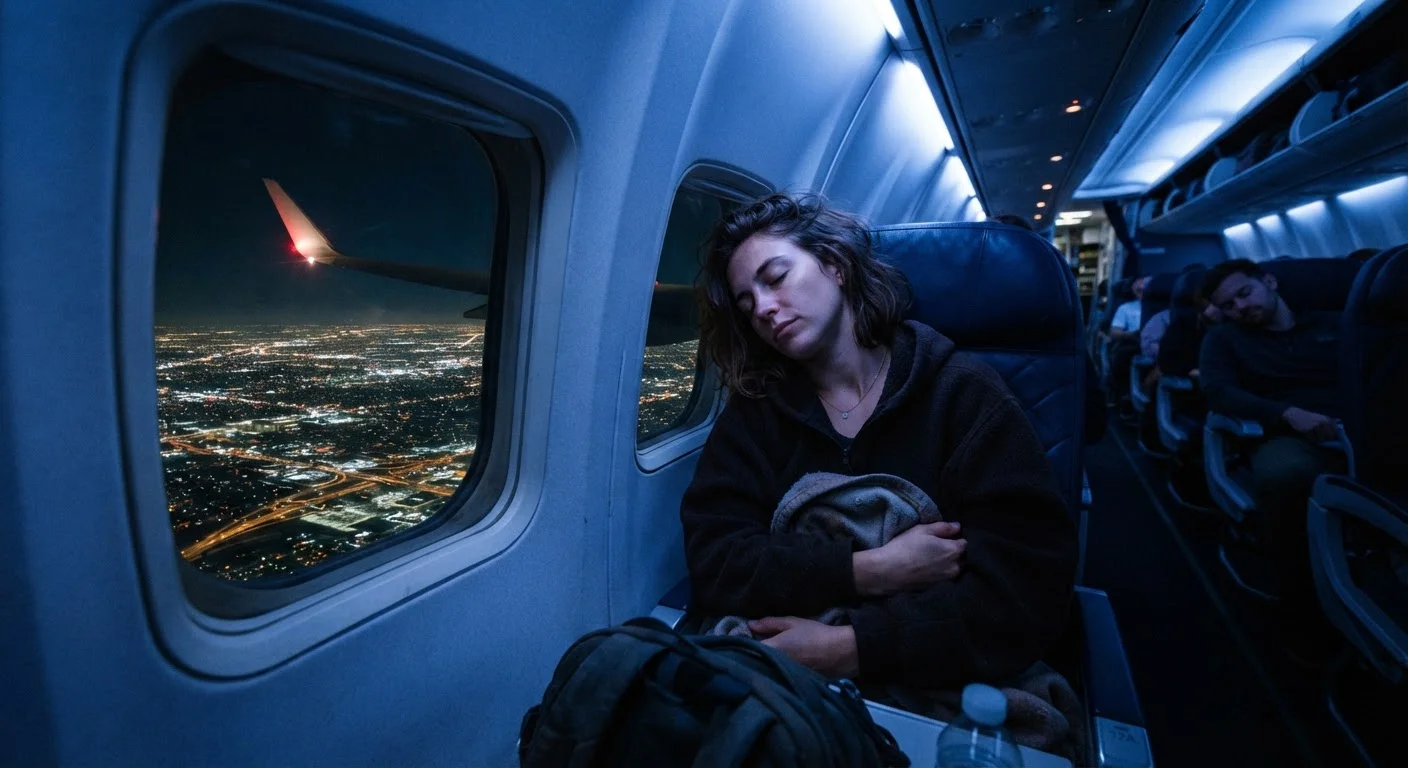
Photo credit: PrimeFaqs.com | Trending And Accurate Content
Separating jet lag fact from fiction: what the science says about sleep cycles, hydration, light exposure, and crossing time zones.
Key Takeaways
- Jet lag is caused by a mismatch between your internal clock and the destination time zone, not just fatigue.
- Eastward travel typically causes worse jet lag than westward travel for most people.
- Strategic light exposure is one of the most effective, evidence-supported tools for resetting your circadian rhythm.
- Alcohol and caffeine on planes often worsen jet lag symptoms rather than helping you cope.
- Pre-trip sleep schedule adjustments can meaningfully reduce how long jet lag lasts.
What Jet Lag Actually Is (And Isn't)
Most travelers treat jet lag as an unavoidable tax on international adventure - you cross enough time zones, you suffer. That's half right. Jet lag is real, physiological, and well-documented. But the idea that it's purely inevitable and unmanageable? That's where the myth takes over.
Jet lag occurs when your body's circadian rhythm - the internal 24-hour clock governing sleep, digestion, hormone release, and alertness - falls out of sync with local time at your destination. It's not simply tiredness from a long flight. It's a biological timing conflict. Symptoms can include disrupted sleep, daytime grogginess, difficulty concentrating, digestive upset, and mood dips. The good news: your circadian rhythm is adjustable. The science of chronobiology has produced practical, accessible strategies that can shorten jet lag duration and reduce its intensity.
Understanding the real mechanics puts you in control. See how smarter pre-trip planning can support your recovery - our guide to building a travel itinerary that actually works walks through how to structure your first days at a destination with recovery in mind.
Myth
Jet lag hits everyone equally, no matter which direction you fly.
Fact
Direction matters significantly - eastward travel is consistently harder for most people than westward travel.
Your circadian clock runs on a cycle slightly longer than 24 hours, which makes it easier to delay (stay up later, as in westward travel) than to advance (go to bed earlier, as required when flying east). Flying from New York to Tokyo typically causes more disruption than flying the same distance in the opposite direction. Knowing your travel direction lets you tailor your preparation strategy accordingly.
Myth
Drinking alcohol on the plane helps you sleep and reduces jet lag.
Fact
Alcohol disrupts sleep architecture and dehydrates you, making jet lag symptoms measurably worse.
Alcohol may help you fall asleep faster, but it suppresses REM sleep - the restorative stage your body most needs during long-haul transit. It also acts as a diuretic in an environment where cabin air is already extremely dry. The combination of shallow sleep and dehydration tends to amplify grogginess on arrival. Water and low-caffeine beverages are far better choices during the flight.
Myth
You should just push through jet lag and stay awake until local bedtime - no adjustments needed beforehand.
Fact
Pre-trip sleep schedule shifting, combined with strategic light exposure after arrival, produces faster recovery than willpower alone.
The "just power through" approach asks your unprepared circadian clock to make a sharp pivot on arrival day - often leading to an exhausted collapse at the wrong local time, which resets the disruption cycle. Gradually shifting your sleep window in the days before departure gives your internal clock a running start. Research in sleep medicine consistently supports gradual pre-travel adjustment as one of the more effective mitigation strategies available to travelers.
Myth
Caffeine is a reliable fix for jet lag fatigue during the first few days.
Fact
Caffeine can temporarily mask fatigue but, if timed poorly, delays the circadian realignment you actually need.
Caffeine blocks adenosine receptors, which are part of the system that builds sleep pressure throughout the day. Using caffeine late in the afternoon at your destination suppresses evening sleepiness, making it harder to fall asleep at the new local bedtime - exactly when you need your clock to anchor. If you rely on caffeine, time it strategically: morning and early afternoon at the destination, and avoid it after 2 p.m. local time during the adjustment window.
Myth
Jet lag only affects sleep - everything else stays normal.
Fact
Jet lag disrupts digestion, mood, cognitive sharpness, and immune function, not just sleep timing.
Your circadian clock governs far more than when you feel sleepy. Digestive enzymes, cortisol levels, body temperature, and even immune responses all follow circadian patterns. When those patterns are disrupted, travelers may notice appetite loss, digestive discomfort, irritability, reduced attention span, and a general sense of being "off." Recognizing this helps travelers plan lower-stakes activities for the first 24-48 hours rather than scheduling high-pressure events or demanding excursions immediately after arrival.
What the Evidence Says You Can Actually Do
Knowing the myths is useful - knowing the countermeasures is better. Here's where research-supported strategies make a real difference:
- Shift your sleep schedule before departure. In the days before an eastward trip, go to bed and wake up an hour earlier each day. For westward travel, shift later. Even a 1-2 hour adjustment primes your clock.
- Use light deliberately. Light is the primary signal your brain uses to set its clock. Seek bright morning light on arrival if traveling east; seek evening light if traveling west. Avoid bright screens and overhead lights when you want your brain to think it's nighttime.
- Stay hydrated with water. Cabin air humidity can drop below 20%, contributing to fatigue and headaches. Drink water consistently throughout the flight.
- Consider melatonin timing carefully. Melatonin is a hormone your body naturally produces at night. Low-dose melatonin taken at the destination's local bedtime may help signal sleep onset during the adjustment window - but consult a healthcare professional before using any supplement, particularly if you take other medications.
~1 day
Typical recovery time per time zone crossed
Sleep researchers commonly cite a general rule of roughly one day of adjustment per time zone crossed, though individual factors vary considerably.
11+ zones
Time zones crossed on a New York-to-Singapore flight
Popular US-to-Asia routes cross among the highest number of time zones of any common commercial flight path, making preparation especially valuable.
Jet lag is also tied to a broader set of travel myths worth examining. For a wider look at planning misconceptions, our travel planning myths roundup covers beliefs that routinely derail American trips before they even begin.
This article is for general informational purposes only and is not medical advice. Consult a qualified healthcare professional before making changes to sleep aids, supplements, or medications.

Author
Travel & Trips Editorial Team
Travel & Trips Editorial Team is the collective byline for our editorial team and contributor network. Articles published under this byline or an editorial pen name are researched, written, and reviewed according to our editorial standards for clarity, consistency, and independence before publication.
View all articles →