
The Mistakes New Pet Owners Make With Food Portions
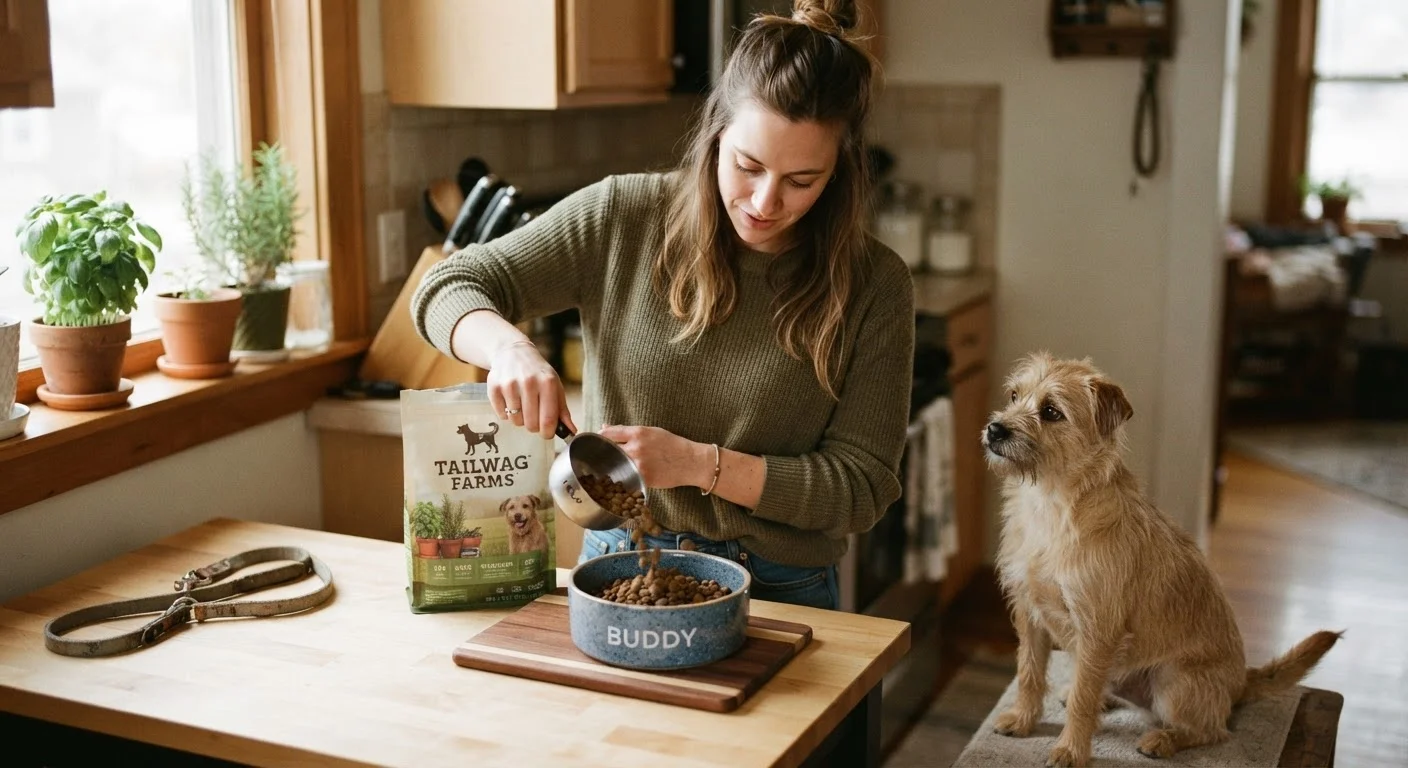
Photo credit: PrimeFaqs.com | Trending And Accurate Content
Overfeeding is one of the most common pet health problems — and it's easy to miss. Understand why portions go wrong and how to calibrate them correctly.
Key Takeaways
- Feeding guidelines on pet food packaging are starting points, not precise prescriptions for every animal.
- Treats and food toppers count toward daily caloric intake and are frequently overlooked by new owners.
- A pet's portion needs change with age, activity level, and health status - regular reassessment matters.
- Free-feeding can make it nearly impossible to monitor how much a pet is actually consuming each day.
- Consulting a veterinarian is the most reliable way to establish an appropriate feeding plan for your specific pet.
Why Portioning Goes Wrong So Quickly
For most new pet owners, feeding their animal feels straightforward - scoop some food, fill the bowl, repeat. But portion errors are among the most common contributors to pet weight problems, and they rarely feel like mistakes in the moment. Love, habit, and a lack of calibrated information all play a role.
Understanding where things go wrong is the first step toward getting it right. Whether you've just brought home a puppy, kitten, or adult rescue, the portioning habits you establish early will shape your pet's health for years. For a broader foundation on early pet care, see everything first-timers need to know about pet ownership.
Treating package feeding guidelines as exact prescriptions.
Why it happens: Bag and can guidelines are formulated for the average animal of a given weight, not your specific pet. New owners naturally trust the label because it seems like the authoritative source.
Forgetting that treats and toppers contribute calories.
Why it happens: Treats feel separate from 'real' meals, so they rarely get factored into daily totals. Food toppers added for palatability are similarly easy to overlook.
Free-feeding dry food without monitoring actual consumption.
Why it happens: Leaving a full bowl available all day seems convenient and kind, especially for new owners worried about a pet going hungry. It also removes the need for a schedule.
Not adjusting portions as the pet ages or their lifestyle changes.
Why it happens: Once owners settle into a feeding routine, it's easy to keep it on autopilot. Most people don't think to revisit portion sizes unless a vet flags a problem.
Using imprecise measuring tools like coffee mugs or serving spoons.
Why it happens: Many households don't have dedicated pet food measuring cups, so owners improvise with whatever is nearby. Volume differences between improvised tools and standard measures can be substantial.
Feeding based on a pet's begging behavior rather than actual need.
Why it happens: Pets - especially dogs - are highly effective at communicating hunger, and new owners often interpret persistent begging as a sign the animal isn't getting enough food.
The Cumulative Effect of Small Errors
None of these mistakes are dramatic in isolation. An extra handful of kibble here, a few extra treats there - individually, each seems inconsequential. But caloric surplus accumulates over weeks and months, and pet obesity is genuinely difficult to recognize until it's well established. Most owners are surprised to learn their pet is overweight because the change happens gradually.
59%
of U.S. dogs classified as overweight or obese
According to the Association for Pet Obesity Prevention's clinical surveys, more than half of dogs assessed by veterinary professionals were above their ideal body weight.
61%
of U.S. cats classified as overweight or obese
The same Association for Pet Obesity Prevention data found that cats had an even higher rate of excess weight than dogs in clinical assessments.
If you're concerned your pet may already be carrying extra weight, why obesity in pets is hard to recognize - and harder to reverse explains how excess weight develops and what health risks it carries. And if you've encountered strong opinions about what pets should eat, the real story behind common pet feeding myths can help you separate evidence-based guidance from popular misconceptions.
Sudden Changes in Appetite Warrant Veterinary Attention
If your pet abruptly starts eating significantly more or less than usual, don't attribute it to a portion problem without consulting a veterinarian. Appetite changes can signal underlying health conditions - including dental pain, gastrointestinal issues, or metabolic disorders - that require professional evaluation. Do not attempt to self-diagnose or adjust portions drastically without veterinary guidance.
The good news is that portion-related mistakes are correctable. Speaking with your veterinarian - ideally at your pet's first wellness visit and at regular annual checkups - gives you the clearest picture of your individual animal's needs. Body condition scoring, a tool vets use to assess healthy weight visually and physically, is something owners can also learn to apply at home between visits.
This article is for general informational purposes only and is not a substitute for professional veterinary advice. Always consult a licensed veterinarian for guidance specific to your pet's health and dietary needs.

Author
Pets & Animals Editorial Team
Pets & Animals Editorial Team is the collective byline for our editorial team and contributor network. Articles published under this byline or an editorial pen name are researched, written, and reviewed according to our editorial standards for clarity, consistency, and independence before publication.
View all articles →