
Small Pets, Specific Needs: Guinea Pigs, Rabbits, and Hamsters Compared
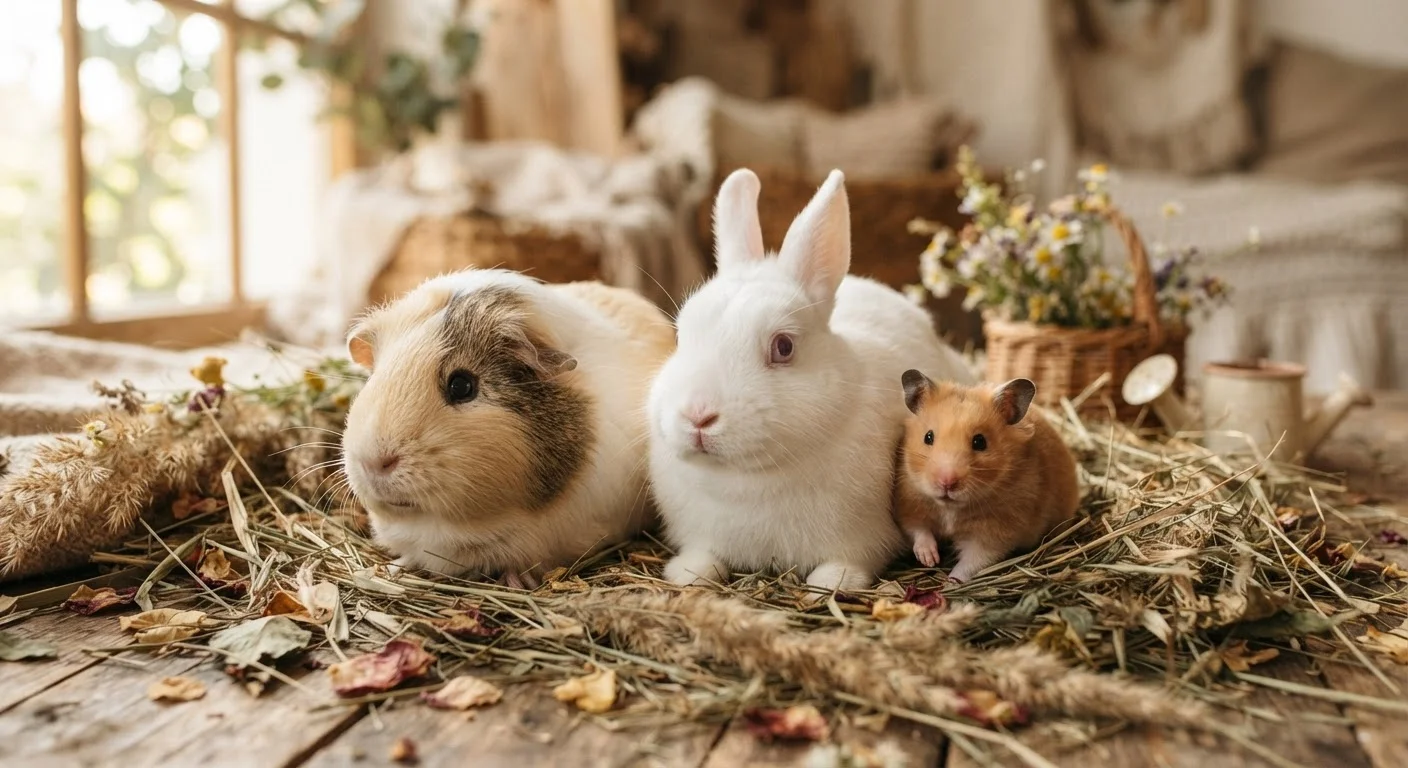
Photo credit: PrimeFaqs.com | Trending And Accurate Content
In this article
Small animals are often misunderstood as low-maintenance. See how guinea pigs, rabbits, and hamsters differ in diet, space, social needs, and lifespan.
Key Takeaways
- Guinea pigs are social animals that thrive in pairs and require daily vitamin C from food sources.
- Rabbits need significantly more space than most owners anticipate and can live 8-12 years.
- Hamsters are solitary and nocturnal, making them better suited for older children and adults.
- All three species need species-appropriate diets - common feeding myths can cause serious health problems.
- Veterinary care for exotic small animals often requires a specialist and can be costly.
Why 'Small Pet' Doesn't Mean Simple Pet
Small animals are routinely marketed as starter pets or low-maintenance alternatives to dogs and cats. That framing does a disservice to the animals - and to the owners who adopt them unprepared. Guinea pigs, rabbits, and hamsters each have distinct behavioral profiles, dietary requirements, and health vulnerabilities that demand real knowledge and consistent daily care.
If you're exploring which species fits your household, or you already have one and want to deepen your understanding, this comparison covers the most practically important differences. For a broader look at preparing your home before any new pet arrives, see our room-by-room readiness guide.
| Guinea Pig | Rabbit | Hamster | |
|---|---|---|---|
| Lifespan | 4-8 years | 8-12 years | 2-3 years |
| Social Needs | Strongly prefer pairs or groups | Comfortable alone or bonded pair | Solitary - must be housed alone |
| Space Required | Minimum 7.5 sq ft per pair | Minimum 12 sq ft enclosure + exercise | Minimum 450 sq in cage floor |
| Activity Pattern | Diurnal (daytime active) | Crepuscular (dawn/dusk active) | Nocturnal (night active) |
| Diet Complexity | Hay + veggies + vitamin C daily | Hay + leafy greens, minimal pellets | Pellets + fresh foods, low sugar |
| Handling Tolerance | Generally tolerant when socialized | Variable; needs patient handling | Can bite if startled; brief sessions best |
| Noise Level | Moderate - vocal squeaks | Quiet - thumps when alarmed | Quiet - wheel noise at night |
| Exotic Vet Needed | Yes | Yes | Yes |
Guinea Pigs: Social, Vocal, and Vitamin C-Dependent
Guinea pigs (Cavia porcellus) are among the most communicative small pets available. They vocalize extensively - purring, wheeking, and chattering - and form recognizable bonds with their owners and cage companions. Because they cannot synthesize vitamin C on their own (a trait shared with humans and a few other species), fresh leafy vegetables such as bell pepper and romaine lettuce must be provided daily. Vitamin C deficiency causes scurvy-like symptoms and progresses quickly.
Housing two or more guinea pigs together is widely recommended by small-animal welfare organizations. A single guinea pig kept in isolation is at real risk of chronic stress. Their daytime activity patterns make them more naturally aligned with household schedules than nocturnal pets.
Find an Exotic-Savvy Veterinarian Early
Guinea pigs, rabbits, and hamsters are all considered exotic animals by most veterinary practices, meaning not every clinic is equipped to treat them. Before bringing any small animal home, locate a vet experienced with exotic small mammals in your area. Establishing care before a health crisis makes a significant difference in outcomes.
Rabbits: Long-Lived, Space-Hungry, and Misunderstood
Domestic rabbits (Oryctolagus cuniculus) are the most commonly surrendered small pet in the United States, largely because adopters underestimate their needs. A healthy rabbit can live 8-12 years - a commitment comparable to a medium-sized dog. They require far more space than traditional hutch setups provide; veterinary and welfare guidelines increasingly recommend enclosures of at least 12 square feet with additional time for supervised free roaming daily.
Diet is critical: unlimited grass hay (timothy or orchard grass) should make up the bulk of a rabbit's intake, with fresh leafy greens and minimal pellets. High-starch treats and sugary fruits, while often sold as rabbit food, contribute to dangerous gastrointestinal and dental issues. Rabbit teeth grow continuously and must be worn down through appropriate foraging. For more on separating fact from fiction in pet feeding, our piece on common pet feeding myths is a useful companion read.
Common Foods That Are Actually Harmful
Iceberg lettuce, raw beans, chocolate, onions, and many fruit seeds are toxic or harmful to small animals - yet appear in online care guides without adequate warnings. Rabbits should never be fed muesli-style mixed pellets, as selective eating leads to dangerous nutritional imbalances. Always cross-reference diet information with a veterinarian or a reputable exotic animal organization before introducing new foods.
Hamsters: Independent, Nocturnal, and Often Mismatched
Syrian hamsters (Mesocricetus auratus) - the most commonly kept species - are solitary by nature. Housing two Syrian hamsters together will almost always result in serious fighting. Dwarf species can sometimes coexist in same-sex pairs, but this requires careful monitoring and is not guaranteed.
Hamsters are nocturnal, meaning peak activity occurs at night. For households with young children who want daytime interaction, this schedule mismatch can lead to a poorly socialized, frequently disturbed hamster - and an animal that is more likely to bite when startled. Wheel size matters considerably: a wheel with a diameter under 10 inches can cause spinal curvature in Syrian hamsters. Cage floor space is also frequently undersold; small plastic cages sold in many retail settings fall well short of welfare organization minimums.
Understanding why routine matters for pets applies here too - hamsters thrive when feeding, cleaning, and handling happen on a predictable schedule that respects their natural activity window.
Health, Veterinary Care, and Long-Term Costs
All three species are classified as exotic animals in most veterinary practices, which means general-practice vets may lack the training to treat them effectively. Exotic-specialist consultations often carry higher fees than standard companion animal appointments, and diagnostic options may be more limited. Routine check-ups, dental assessments (especially for rabbits and guinea pigs), and parasite screening are important regardless of whether your pet appears ill.
Common health concerns vary by species: respiratory infections and urinary problems in guinea pigs; GI stasis (a potentially life-threatening digestive slowdown) and dental disease in rabbits; wet tail (a severe bacterial diarrhea) and diabetes in hamsters. Early detection matters enormously in small animals because their small body mass means conditions deteriorate rapidly.
Prospective owners should factor veterinary costs into their planning from the start. The Pet Health & Wellness hub offers additional guidance on recognizing common health signals across species. For those just beginning their research, everything first-time pet owners need to know covers the broader commitment before you bring any animal home.
This article is for general informational and educational purposes only and is not a substitute for professional veterinary advice. Always consult a qualified exotic animal veterinarian for guidance specific to your pet's health and care needs.

Author
Pets & Animals Editorial Team
Pets & Animals Editorial Team is the collective byline for our editorial team and contributor network. Articles published under this byline or an editorial pen name are researched, written, and reviewed according to our editorial standards for clarity, consistency, and independence before publication.
View all articles →