
Opening Your First Bank Account: What to Expect and How to Prepare
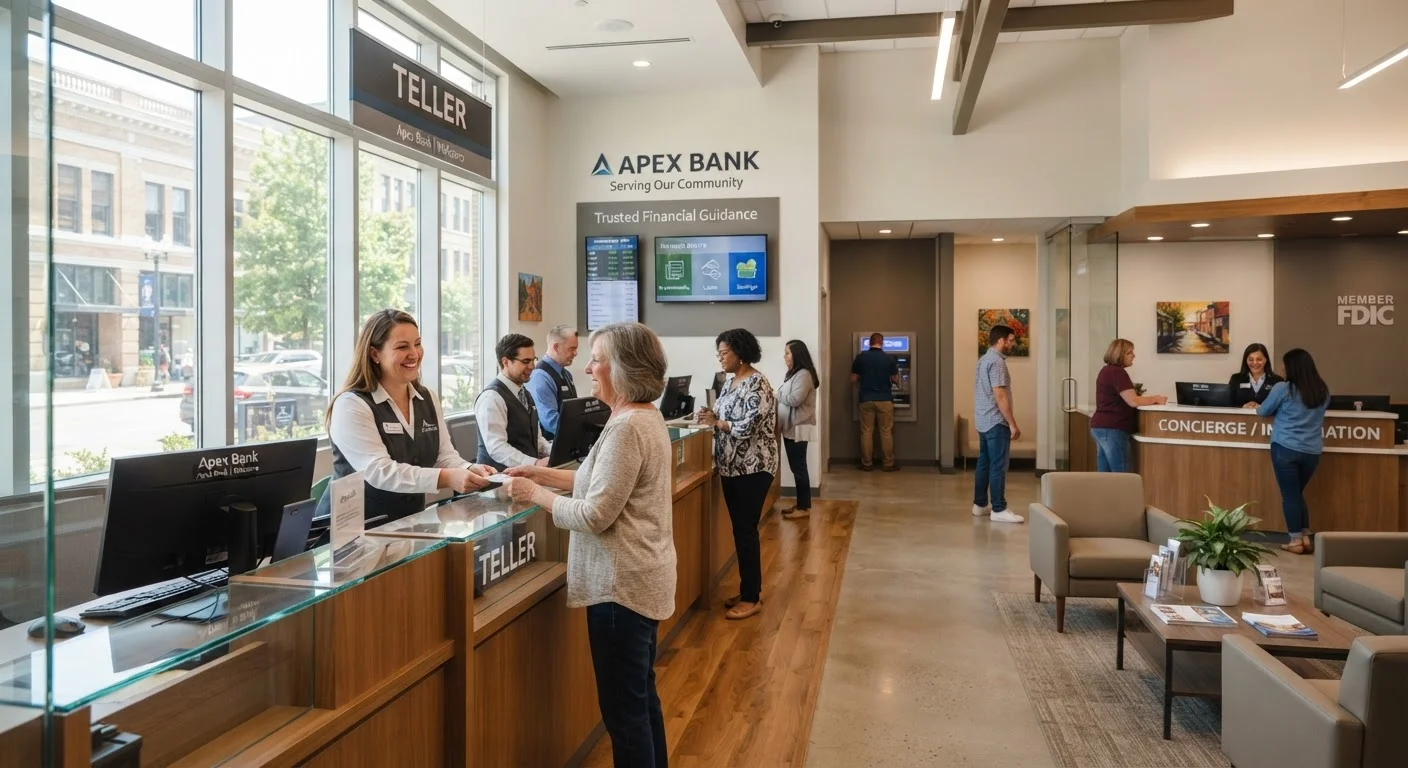
Photo credit: PrimeFaqs.com | Trending And Accurate Content
In this article
A straightforward walkthrough for first-time account holders covering document requirements, account types, and common early pitfalls to avoid.
Key Takeaways
- A checking account handles daily spending; a savings account is designed to grow a financial cushion.
- Most banks require a government-issued photo ID, Social Security number, and an opening deposit.
- Overdraft fees and monthly maintenance fees are the two most common early surprises - both are avoidable.
- Online and credit union accounts often have lower fees than traditional brick-and-mortar banks.
- Opening a bank account is a foundational step toward building credit and managing debt effectively.
Why a Bank Account Matters
Keeping cash under a mattress or relying solely on prepaid debit cards costs more than most people realize. Check-cashing services typically charge 1-3% of a check's face value for a service that a bank account provides for free. Beyond cost savings, a bank account creates a verifiable financial record - something landlords, employers, and lenders routinely look for.
A bank account also functions as the foundation for broader financial health. Direct deposit, automatic bill pay, and transfers to savings accounts all depend on having a standard checking or savings relationship. When you're ready to explore debt management, the first steps toward paying down debt almost always assume you have a bank account in place. More broadly, the saving and debt hub offers continued guidance once the account is open and active.
Choosing the Right Account Type
Two account types cover the needs of most first-time banking customers.
Checking account
A bank account used for everyday spending and bill payment, typically accessed with a debit card and checks.
Savings account
A bank account intended to hold money you don't need immediately, which earns a small amount of interest over time.
FDIC insurance
A federal program that protects deposits at member banks up to $250,000 per depositor if the bank fails.
Overdraft
When you spend more money than is available in your account, causing a negative balance that usually triggers a fee.
ChexSystems
A specialty consumer reporting agency that banks use to screen applicants based on past account problems like unpaid overdrafts.
Routing number
A nine-digit code that identifies your bank for electronic transfers and direct deposits.
- Checking accounts are built for daily transactions - paying bills, making purchases with a debit card, and receiving direct deposits. Most come with a routing and account number used for electronic payments.
- Savings accounts are designed to hold money you don't plan to spend immediately. They earn interest (though rates vary widely) and are best used for an emergency fund or a short-term goal.
Many people open both simultaneously, linking them so they can transfer money between accounts easily. Credit unions and online-only banks often offer lower fees and competitive interest rates compared to traditional branch-based banks - worth factoring into your comparison when you evaluate options.
What Documents You'll Need
Gathering the right paperwork before you apply prevents delays. While requirements vary by institution, the following are almost universally required:
- Government-issued photo ID - a driver's license, state ID, or passport
- Social Security number (SSN) or Individual Taxpayer Identification Number (ITIN) - used to verify your identity under federal law
- Proof of address - a utility bill, lease agreement, or piece of official mail showing your current residence
- Opening deposit - cash, a check, or a debit card transfer; the amount varies by institution
If you are under 18, a parent or guardian will typically need to bring their own ID and be present to co-sign the account agreement.
Organize Documents Before You Apply
Scan or photograph your ID and proof of address ahead of time. If you're applying online, having digital copies ready speeds up the process considerably and prevents you from abandoning the application mid-way. Keep these files in a secure, password-protected folder on your device.
The Application Process Step by Step
Whether you apply in person or online, the process follows a predictable sequence:
- Choose your institution. Compare fee structures, minimum balance requirements, ATM network size, and mobile app features.
- Select your account type. Decide whether you need checking, savings, or both, based on how you plan to use the account day-to-day.
- Submit your application. Provide your personal information, upload or present your documents, and agree to the account terms.
- Fund the account. Make your opening deposit. For online accounts, this is typically done via an electronic transfer from another account.
- Activate your debit card. Once the card arrives by mail or is issued at the branch, activate it through the bank's app or automated phone line.
- Set up online access. Register for online and mobile banking so you can monitor transactions, set alerts, and manage transfers from day one.
Setting up low-balance alerts immediately after opening is one of the simplest habits you can build to stay on top of your account.
Common Early Pitfalls to Avoid
New account holders most often run into trouble in predictable ways. Awareness is your best defense.
Watch Out for Hidden Fees
Overdraft fees, monthly maintenance fees, out-of-network ATM fees, and paper statement fees are among the most common charges new account holders don't anticipate. Always read the full fee schedule - usually called the 'account disclosure' or 'terms and conditions' - before completing your application. A fee that seems small monthly can add up to hundreds of dollars annually.
- Overdrafting your account. Spending more than your available balance triggers overdraft fees, which can reach $35 per transaction at some banks. Opt out of overdraft coverage for debit purchases if you prefer a declined card over a fee - this is your legal right under Federal Reserve rules.
- Ignoring monthly maintenance fees. Some accounts charge $10-$15 per month unless you meet a minimum balance or direct deposit requirement. Read the fee schedule carefully before signing up.
- Not monitoring transactions. Fraud happens to new account holders. Set up transaction alerts and review your statement at least once a week until the habit feels routine.
- Closing an account carelessly. If you switch banks, make sure all automatic payments and direct deposits are transferred before closing the old account to avoid returned payments and fees.
Opening a bank account is a straightforward process once you know what to expect. The groundwork you lay here - understanding fees, building a savings habit, and keeping your account in good standing - supports every financial goal that comes after it, from building an emergency fund to qualifying for a loan.
This article is for general informational and educational purposes only and does not constitute personalized financial or banking advice. Consult a qualified financial professional for guidance specific to your situation.
Frequently Asked Questions

Author
Personal Finance Editorial Team
Personal Finance Editorial Team is the collective byline for our editorial team and contributor network. Articles published under this byline or an editorial pen name are researched, written, and reviewed according to our editorial standards for clarity, consistency, and independence before publication.
View all articles →