
The Truth Behind Common Home Maintenance Myths
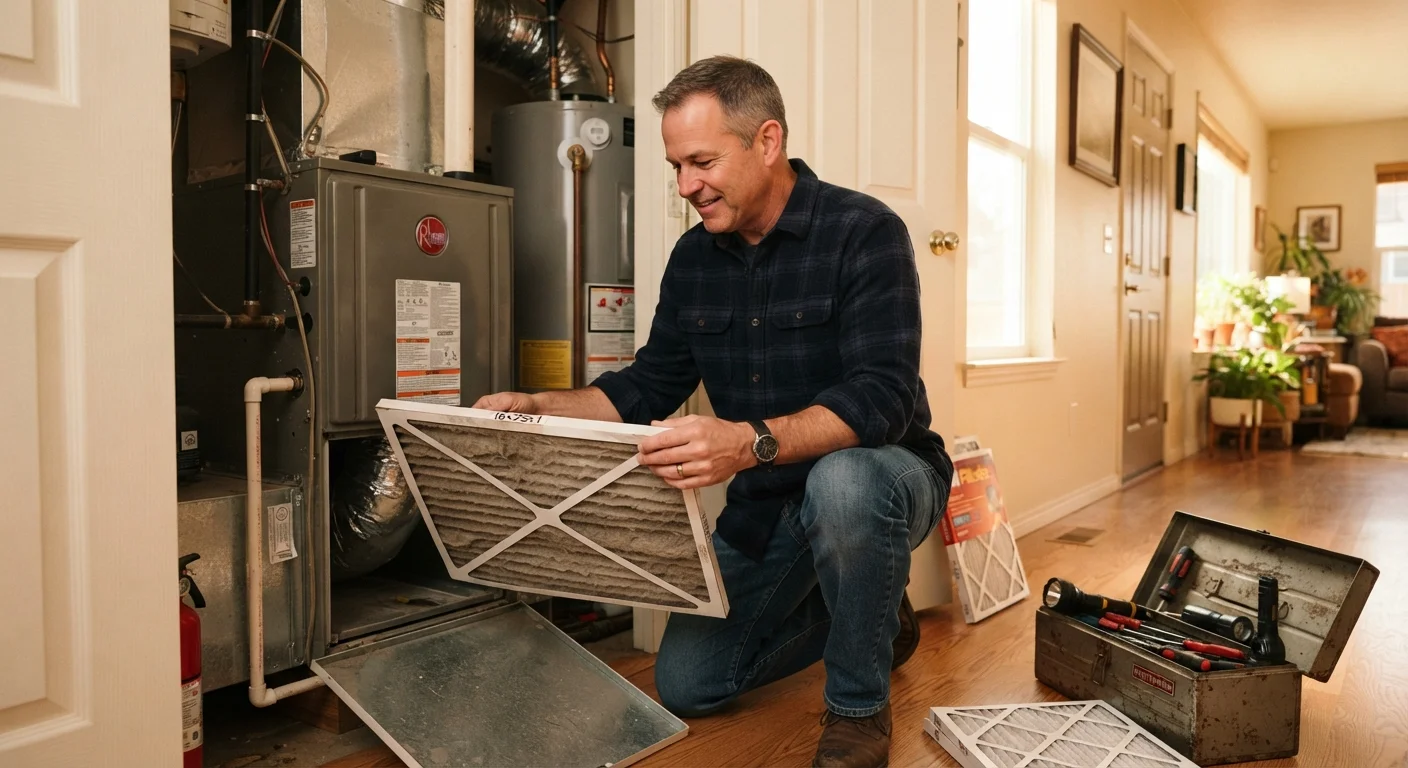
Photo credit: PrimeFaqs.com | Trending And Accurate Content
From "popcorn ceilings are always dangerous" to "you only need to change filters twice a year" — we separate fact from fiction for homeowners.
Key Takeaways
- HVAC filters typically need replacement every 1-3 months, not just twice a year.
- Not all popcorn ceilings contain asbestos - testing is the only reliable way to know.
- Caulking and weatherstripping wear out and need regular inspection, not just one-time application.
- Gutters need cleaning at least twice a year, and more often if trees surround your home.
- Running water while using the garbage disposal does not eliminate all clog risk.
Why Home Maintenance Myths Are Costly
Home maintenance advice gets passed down through generations, shared across back fences, and repeated online - and not all of it holds up. Acting on outdated or simply wrong information can lead to skipped tasks that cause real damage, or unnecessary spending on work your home doesn't need.
The myths below are among the most commonly repeated. Understanding what the evidence actually says helps you prioritize your time, budget, and effort more effectively. For a structured approach to what needs doing and when, see our month-by-month maintenance calendar.
Myth
You only need to change your HVAC filter twice a year.
Fact
Most filters need replacement every one to three months, depending on filter type, pet ownership, and air quality conditions.
The twice-a-year guideline is a rough minimum that applies to thick, high-capacity filters in low-demand homes. Standard 1-inch filters in homes with pets, allergies, or high dust levels can clog within 30 days. A clogged filter forces your HVAC system to work harder, raises energy costs, and shortens equipment life. Check your filter monthly and replace it when it looks gray and dense - don't rely on the calendar alone. See also: why your HVAC filter schedule matters more than you think.
Myth
All popcorn ceilings contain asbestos and must be removed immediately.
Fact
Popcorn ceilings installed after 1978 are unlikely to contain asbestos, and even older ceilings pose minimal risk if undisturbed and in good condition.
Asbestos was commonly used in textured ceiling products before the U.S. Consumer Product Safety Commission effectively banned its use in ceiling materials in 1977. If your home was built or renovated before that period, testing by a certified inspector is the appropriate first step - not immediate removal. Asbestos-containing materials that are intact and undisturbed generally do not release harmful fibers. Disturbing or sanding them without professional containment is what creates risk. If you're unsure of your ceiling's age or composition, have a licensed professional test it before doing any work.
Myth
Caulking and weatherstripping are one-time jobs.
Fact
Both materials degrade over time and typically need inspection and replacement every few years.
Caulk around windows, doors, and tubs can crack, shrink, or pull away from surfaces within a few years - especially in climates with wide temperature swings. Weatherstripping on exterior doors compresses and wears through with regular use. Once seals fail, drafts, water intrusion, and energy loss follow. A simple visual inspection each spring and fall - part of a good seasonal routine - can catch failing seals before they cause bigger problems. Spring is an ideal time to check these seals after winter stress.
Myth
Running water while using the garbage disposal prevents clogs.
Fact
Water helps move waste through, but it does not prevent clogs caused by the wrong types of food waste entering the disposal.
Fibrous foods like celery and artichoke leaves can tangle around disposal blades. Starchy items such as potato peels and pasta expand in water and can form a paste that coats drain pipes. Fats, oils, and grease congeal as they cool and build up on pipe walls regardless of how much water you run. Running cold water during and after disposal use is good practice, but the more important habit is keeping problem foods out entirely. When in doubt, compost or trash it rather than risk a blocked drain.
Myth
Gutters only need to be cleaned once a year in the fall.
Fact
Most homes benefit from gutter cleaning at least twice a year - once in late fall and once in spring - with more frequent cleaning for homes surrounded by trees.
Fall debris is the obvious culprit, but spring brings its own load of pollen, seeds, and shingle grit washed down by rain. Gutters clogged in spring can overflow during heavy spring storms, directing water against your foundation or behind fascia boards. Homes with overhanging pine trees may need quarterly cleaning. Whether you tackle gutter cleaning yourself or hire a professional depends on your roof height, physical ability, and comfort with ladder work - but the task itself should not be skipped.
Getting Maintenance Right: Practical Takeaways
Most home maintenance myths survive because they contain a grain of truth or because the correct answer is more nuanced than a simple rule. The reality is that many maintenance intervals depend on your specific home - its age, the local climate, your household size, and how your systems are used.
Don't Skip Permits on Major Repairs
Some maintenance work - particularly anything involving electrical systems, plumbing connections to the main line, or structural elements - may require a permit and inspection in your jurisdiction. Skipping permits can affect your homeowner's insurance, complicate a future home sale, and leave unsafe work unreviewed. Always verify local requirements with your municipal building department before starting significant repairs.
If you're newer to homeownership and unsure where to start, our guide on home maintenance for first-time owners walks through the core systems and how to build a reliable routine. And if you're weighing whether to handle a project yourself or hire a professional, the DIY vs. professional installation guide covers the key trade-offs across common tasks.
The most important habit any homeowner can build is regular, scheduled inspection - not waiting for something to fail before paying attention to it.

Author
Home & Garden Editorial Team
Home & Garden Editorial Team is the collective byline for our editorial team and contributor network. Articles published under this byline or an editorial pen name are researched, written, and reviewed according to our editorial standards for clarity, consistency, and independence before publication.
View all articles →