
Reading a Nutrition Label Without Getting Lost in the Fine Print
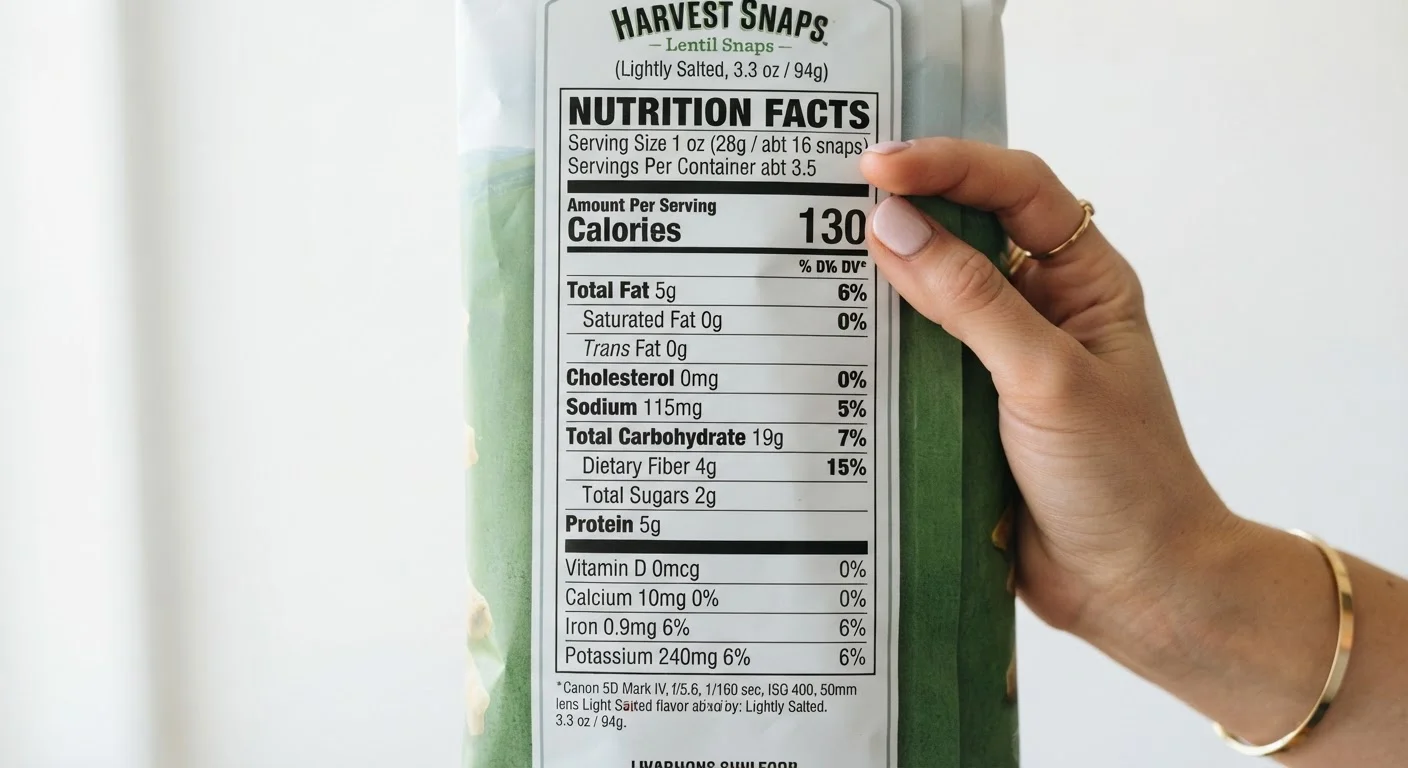
Photo credit: PrimeFaqs.com | Trending And Accurate Content
In this article
A plain-language walkthrough of every section on a U.S. Nutrition Facts label—serving size, % Daily Value, added sugars, and more.
Key Takeaways
- Serving size is the foundation of every number on the label - always check it first.
- % Daily Value tells you whether a nutrient amount is high or low relative to a 2,000-calorie reference diet.
- Added sugars and sodium are two of the most important numbers to monitor on any packaged food.
- Nutrients like fiber, vitamin D, calcium, and iron are ones most Americans need more of.
- Labels are a tool for comparison and awareness, not a rigid prescription for every meal.
Why the Nutrition Facts Label Exists - and What It Actually Is
The U.S. Nutrition Facts label is a standardized panel mandated by the Food and Drug Administration (FDA) and required on most packaged foods sold in the United States. Its format was most recently updated in 2020, with changes designed to reflect current nutrition science and make key information more visible - larger calorie type, a new line for added sugars, and updated serving sizes to better match what people actually eat.
The label is not a diet plan or a health claim. It's a disclosure tool: a consistent, regulated way to communicate what's in a food so that consumers can compare products and make informed choices. Understanding its structure takes roughly the same time as reading a receipt - once you know where to look, the information is straightforward.
Labels Are Information, Not Medical Advice
Nutrition Facts panels are general educational tools based on population-level dietary reference values. They are not personalized guidance. If you have a specific health condition, dietary restriction, or are managing a chronic disease, consult a registered dietitian or your healthcare provider before making significant changes to your diet.
U.S. Nutrition Facts Label
The standardized panel printed on most packaged foods - the primary document this guide walks through.
FDA's Interactive Nutrition Facts Label
An online educational tool from the U.S. Food and Drug Administration that explains each label section in detail.
How to Read Each Section, Step by Step
Work through the label from top to bottom. Each section builds on the one before it, and starting anywhere other than the serving size will give you misleading numbers.
Start with the serving size and servings per container
The very first line under the bold "Nutrition Facts" header is the serving size - for example, 2/3 cup (55g). Directly below it is the number of servings per container. Every single number on the rest of the label is based on one serving, not the entire package.
Before reading anything else, decide how much of the product you actually plan to eat. If the label says 2 servings per container and you'll eat the whole thing, double every value shown.
Check the calorie count
The large, bold Calories figure tells you the total energy one serving provides. Calories come from fat, carbohydrates, and protein - the label doesn't break this down by source, but it does list each macronutrient separately below.
Calorie needs vary widely by age, sex, activity level, and health status. The 2,000-calorie reference diet printed at the bottom of most labels is a population average used to calculate % Daily Values, not a universal target.
Scan the nutrients to limit: total fat, saturated fat, trans fat, sodium, and added sugars
These five nutrients appear prominently because most Americans consume them in excess relative to dietary guidelines. Here's what each means:
- Total fat encompasses all fat types. Not all fat is harmful - unsaturated fats are associated with cardiovascular benefits - but the label singles out the types to watch.
- Saturated fat and trans fat are listed separately because dietary guidelines advise limiting both, particularly trans fat, which is largely artificial and associated with cardiovascular risk.
- Sodium is pervasive in processed foods. For a deeper look at where it hides, see our guide to sodium in the diet.
- Added sugars (introduced in the FDA's updated label format) are distinguished from naturally occurring sugars found in fruit or dairy. The Dietary Guidelines for Americans advise limiting added sugars to less than 10% of daily calories.
Look at the nutrients to get enough of: fiber, vitamin D, calcium, potassium, and iron
The lower portion of the label lists nutrients that Americans commonly underconsume. Adequate intake of these is associated with reduced risk of chronic disease and improved overall health.
- Dietary fiber supports digestive health, helps regulate blood sugar, and is linked to heart health. Most U.S. adults fall well short of the recommended daily amount. See our fiber explainer for practical ways to close the gap.
- Vitamin D, calcium, and potassium are flagged as nutrients of public health concern. For a full breakdown of what these and other micronutrients do, our plain-English micronutrient reference is a helpful companion.
- Iron is essential for red blood cell production; deficiency is common, particularly in women of reproductive age.
Interpret the % Daily Value (% DV) column
The right-hand column on the label expresses each nutrient as a percentage of its daily reference value, based on a 2,000-calorie diet. This is one of the most practical numbers on the label because it tells you at a glance whether a serving is contributing a little or a lot of any given nutrient to your day.
A serving with 20% DV or more of saturated fat is high; one with 5% DV or less of fiber is low. Use these anchors to make quick comparisons between products without needing to know the exact gram amounts involved.
Glance at the ingredient list (just below the Nutrition Facts panel)
Ingredients are listed in descending order by weight - the first ingredient makes up the largest proportion of the product. A long ingredient list isn't automatically a red flag, but a few patterns are worth noting:
- If added sugars appear under multiple names (corn syrup, dextrose, maltose, cane juice) early in the list, the product likely contains more sugar than the label's single added-sugars line suggests.
- Whole grains, vegetables, or legumes appearing first generally indicate a more nutrient-dense product.
The ingredient list complements the Nutrition Facts panel - together they give a more complete picture than either alone. This is one habit covered in our guide to overlooked nutrition habits.
Use % Daily Value as a Quick Benchmark
The FDA's general guideline is straightforward: 5% DV or less per serving is considered low for a nutrient, while 20% DV or more is considered high. Use this as a fast filter when comparing two similar products on a shelf - no math required.
For anyone navigating specific dietary goals or health conditions, this general information is a starting point - not a substitute for personalized guidance from a qualified healthcare professional.
Putting It Into Practice Without Overthinking It
Reading nutrition labels fluently is a skill that becomes automatic with repetition. A practical approach for most people is to focus on three or four key numbers - serving size, calories, sodium, and added sugars - and only dig deeper when a product seems unusually high or low in something relevant to your goals.
Labels are most powerful as a comparison tool. When choosing between two pasta sauces or two breakfast cereals, a 30-second label review can reveal meaningful differences in sodium or fiber without requiring any nutritional expertise. Over time, this habit builds a working knowledge of where nutrients tend to concentrate in your regular diet, which is more useful than any single label read in isolation.
Don't Let 'Per Serving' Mislead You
A package that appears single-serving may actually contain two or more servings. If you consume the entire package, you must multiply every nutrient value by the number of servings listed. Ignoring this step is one of the most common ways people underestimate their calorie and sodium intake from packaged foods.
This article provides general nutrition education and is not a substitute for personalized medical or dietary advice. Consult a registered dietitian or qualified healthcare provider for guidance tailored to your individual health needs.

Author
Health & Wellness Editorial Team
Health & Wellness Editorial Team is the collective byline for our editorial team and contributor network. Articles published under this byline or an editorial pen name are researched, written, and reviewed according to our editorial standards for clarity, consistency, and independence before publication.
View all articles →